
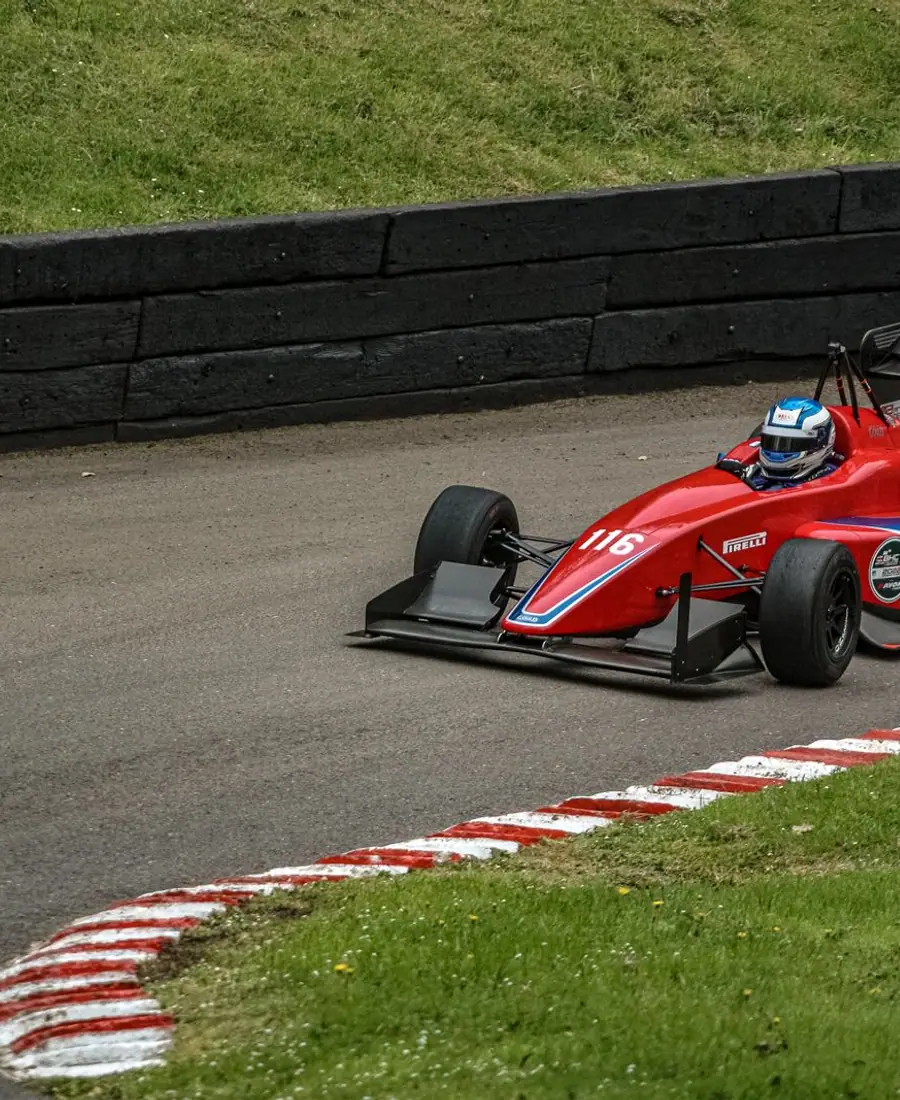
IndyCar's move to hybrid power was treated, at first, as a box to tick, a nod to relevance in an electrified world. That framing missed the point. The hybrid unit is not an ending. It is the opening move of the most interesting strategic era the sport has had in a generation.
The unit, briefly
IndyCar's hybrid system pairs the familiar twin-turbo V6 with an energy recovery and deployment unit. In plain terms: the car harvests energy under certain conditions, stores it, and lets the driver redeploy it as extra power on demand. It is compact by top-tier motorsport standards, and deliberately so. This is a system meant to sharpen the racing, not to turn the car into a science project.
What actually changed
The obvious change is a power boost the driver controls. The subtler, more important change is that energy is now a resource to be managed, like fuel and tyres before it. That adds a whole new axis to strategy:
- When to deploy, attacking, defending, or protecting a lap time.
- How to harvest without sacrificing pace or wearing the car.
- Where on each specific track type the boost is worth the most.
Suddenly two drivers with identical cars can race very differently depending on how cleverly they manage their electrons. That is exactly the kind of skill differentiator IndyCar wants.
The strategic frontier
We are still early. Teams are only beginning to explore what the hybrid makes possible: self-starting after a spin without a stranded car and a caution, restarting a stalled engine, using deployment to defend a position that used to be indefensible. Each of these quietly changes the texture of a race.
The horsepower is the least interesting thing about the hybrid. The interesting thing is that it made energy a currency, and racing has always been about who spends their currencies best.
Expect the next few seasons to be a period of rapid learning, where the teams that best integrate hybrid deployment into their broader strategy, fuel, tyres, push-to-pass, and now energy, all at once, pull an edge that has nothing to do with raw speed.
Where it is heading
The honest answer is that nobody knows exactly, and that is the good news. The system will evolve; its capacity and the ways drivers are allowed to use it will grow. The direction of travel is clear enough: more driver control over more resources, more decisions per lap, more ways for a smart racer to beat a fast one.
That is the future IndyCar is quietly building. Not a sport where the electric motor takes over, but one where the human in the cockpit has more levers to pull than ever, and the ones who master the new maths will define the era. The hybrid did not arrive to make the cars greener for a headline. It arrived to make the racing harder to master. It has barely started.