
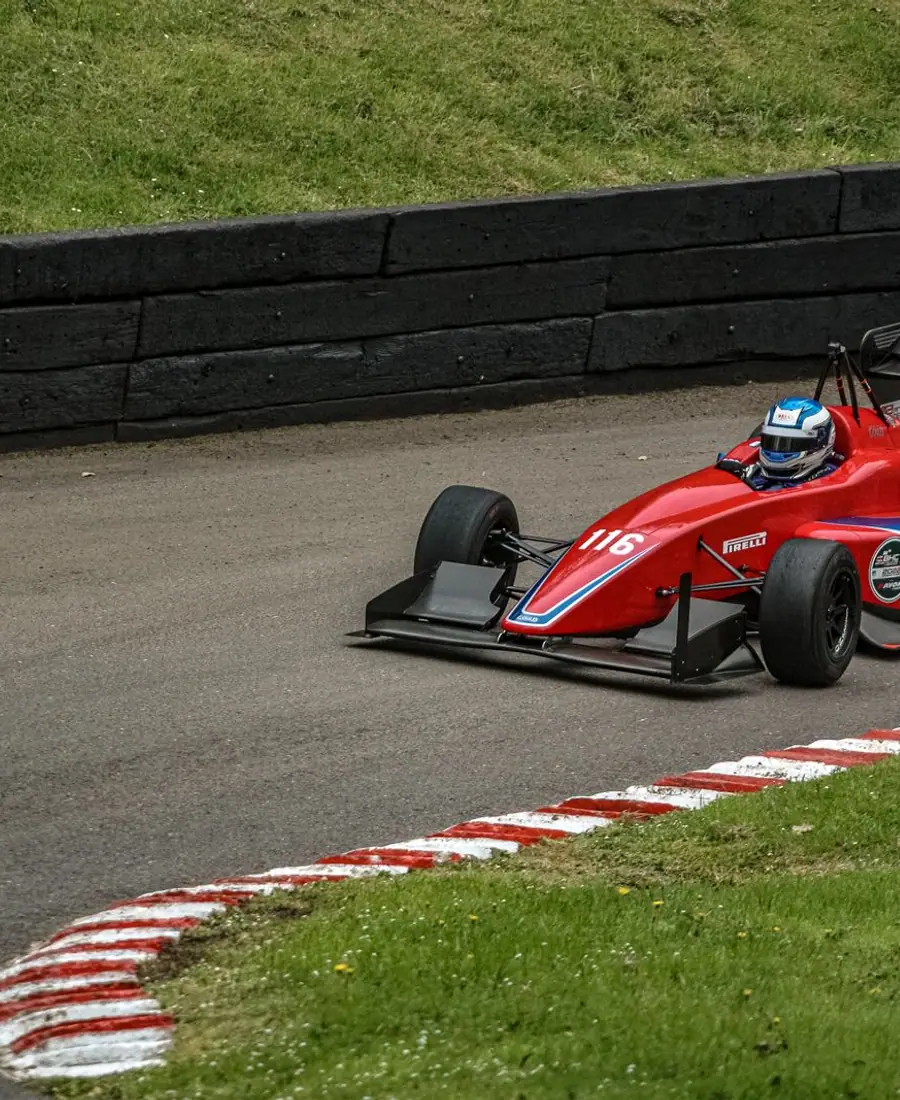
IndyCar's push-to-pass looks simple from the couch: a driver thumbs a button, the engine finds another 60 or so horsepower, and a pass happens. The reality is closer to a poker game played at 190 mph, where the currency is a finite pool of seconds and the tell is the car ahead.
A budget, not a boost
On road and street courses, every driver starts with the same allotment of push-to-pass time, a fixed number of seconds to spend across the whole race, in bursts with a mandatory cooldown between them. That single design choice turns a horsepower gimmick into a strategy layer. You are not asking "can I go faster?" You are asking "is this the moment worth the withdrawal?"
The cooldown matters as much as the budget. Once you deploy, you cannot immediately re-fire, so a wasted burst leaves you defenceless for the next several seconds, often exactly when the driver you just attacked counterpunches.
Offence, defence, and the tow
The sharpest operators think in three modes:
- Offensive: deploy into a braking zone where the extra top speed stretches your run and forces the defender to commit early.
- Defensive: hold a squirt in reserve to cover the exit of a corner where you are vulnerable, denying the attacker the tow.
- Insurance: save a reserve for the final laps, because a driver with seconds left and one without is a mismatch that resolves itself.
The tow is the hidden variable. In dirty air, the trailing car already carries a small slipstream advantage; layering push-to-pass on top of the tow is how one-move passes become clean. Spend it too early in the straight and you arrive at the braking zone with speed you cannot use. Spend it late, timed to the draw alongside, and you turn a look into a completed move.
The best overtakers rarely make the flashiest deployment. They make the one that leaves the other driver with no good answer.
The math of attrition
Because the allotment is shared across a whole race, push-to-pass becomes a war of attrition. A driver who burns half the budget in the opening stint chasing a position that a pit stop would have handed him anyway is often the one caught flat-footed at the end. Conversely, hoarding it too conservatively means finishing the race with unspent seconds, the racing equivalent of leaving money on the table.
Strategists track it obsessively, calling remaining allocation over the radio the way a card counter tracks the deck. When you hear a spotter say a rival is out of push, that is not trivia. It is a green light.
Why the design is quietly brilliant
Push-to-pass rewards the driver who reads a race two corners ahead rather than the one with the bravest right foot. It compresses the field on merit, since a faster car cannot simply drive away when the car behind holds a lever it can pull, while still leaving the timing entirely human. That is the trick of it. The horsepower is equal. The judgement is not.
Next time you watch a road course, ignore the pass for a second and watch the setup: who deploys first, who waits, and who arrives at the corner holding the only card that matters.