
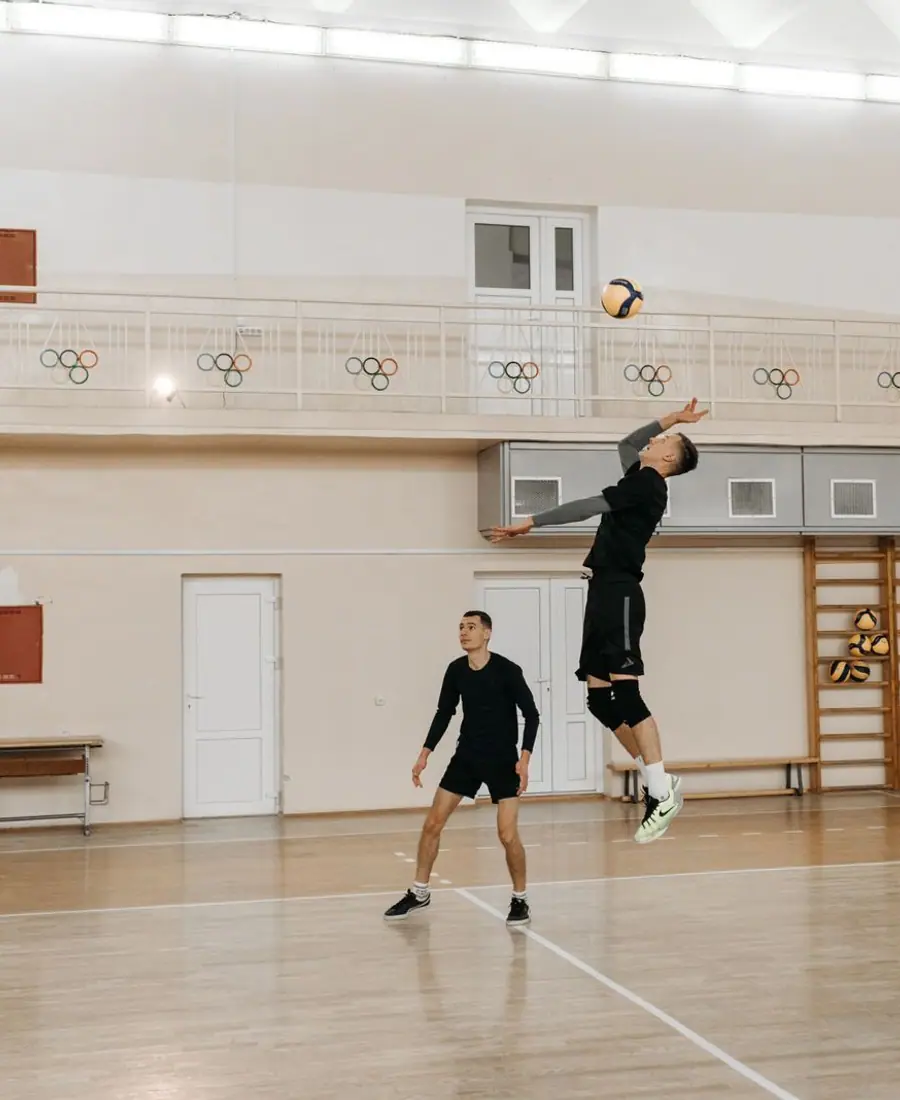
The back half of an international volleyball season is when tactical trends stop being experiments and start being demands. Teams that were tinkering in spring have committed to an identity by summer. Rather than predict scores, which is a fool's errand in a sport this volatile, here is a lens for watching the season's climax: the ideas worth tracking, whoever happens to be on court.
The tempo arms race
The clearest through-line in modern volleyball is speed. Watch how fast each team's setter is releasing the ball and how low and flat their outside sets have become. The teams pushing the tempo hardest are betting that they can outrun any block. The question this season is whether the defenses have caught up.
- Look at how quickly middles are hitting off a good pass. Faster middles mean a more stressed block.
- Notice how many teams run a pipe as a standard option, not an emergency. That signals real commitment to middle-of-court tempo.
- Track how defenses respond, whether they are committing blockers early or reading late.
Serving nerve under pressure
The other trend to follow is serving aggression. The math of modern volleyball rewards a tough serve even at the cost of errors, because a broken pass strangles the opponent's fast offense. Watch which teams keep swinging away on their serves at 22-all and which get cautious.
The bravest servers in the closing points, not the biggest hitters, are usually the ones who steal the tight sets. Nerve at the service line is the tell of a confident team.
The teams that will peak late in the season tend to be the ones whose servers stay aggressive under scoreboard pressure, trusting their defense to cover the occasional miss.
Bench depth and the long grind
A final thread, less visible but decisive over a long calendar, is depth. International seasons are marathons. The teams still standing in the deciding weeks are often those who can bring a defensive specialist, a serving sub, or a fresh middle off the bench without a drop-off. Watch how freely a coach uses substitutions in the middle sets. A deep bench lets a coach chase specific matchups, drop in a serving specialist to break a rotation, and keep legs fresh for the fifth set.
Put those three threads together, tempo, serving nerve, and depth, and you have a framework for watching the season that survives any result. You are not just tracking who won. You are tracking who is building the kind of team that tends to be there at the end: fast enough to stress a block, brave enough to serve under pressure, and deep enough to keep doing both when it is tired. Those are the teams worth your attention as the season sharpens toward its finish.