
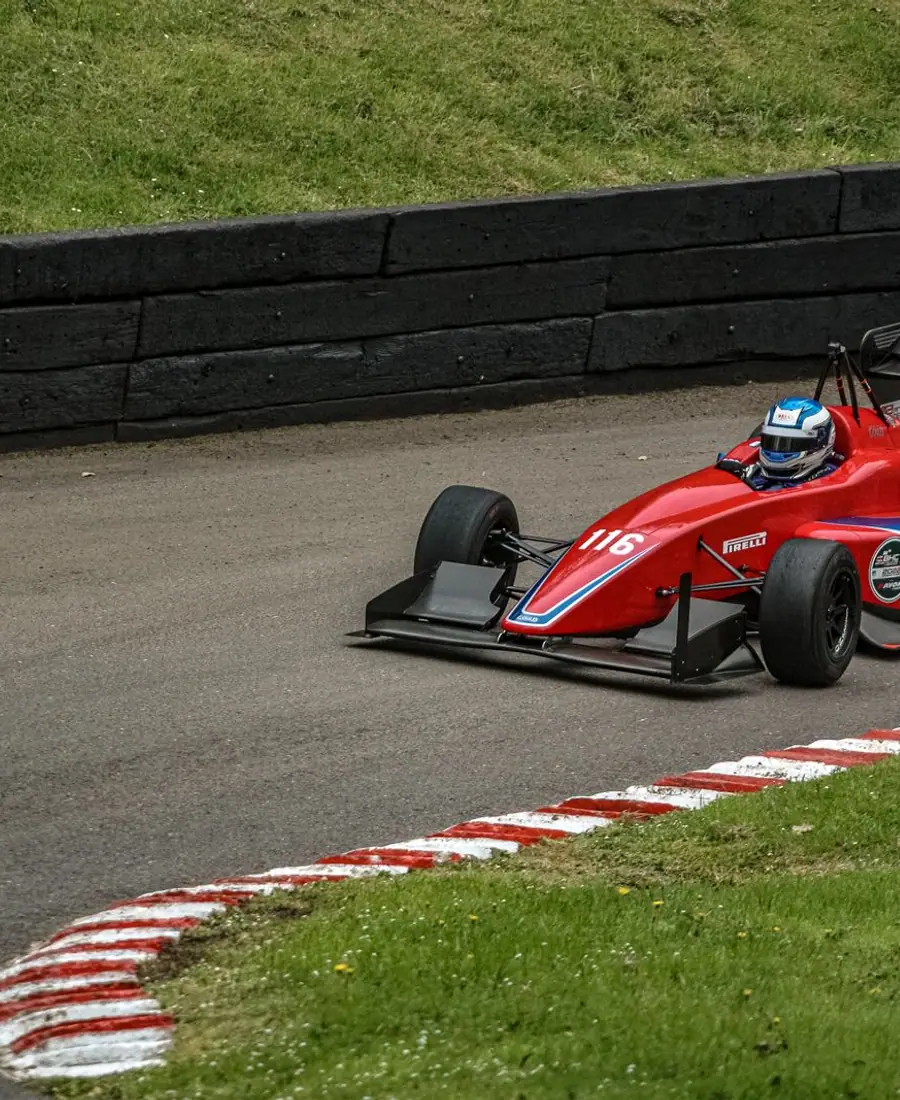
Every IndyCar driver has a voice in their ear. On the best days it sounds like clairvoyance. That voice belongs to the strategist, and their job is one of the least understood and most decisive in the sport.
Who is on the box
The strategist sits on the timing stand, the pit box, surrounded by screens showing live timing, fuel data, weather radar, and the position of every car on track. Sometimes it is the team owner, sometimes a dedicated race engineer, sometimes a former driver. Whoever it is, they hold a lever the driver does not: the decision of when to pit, what tyres to fit, and how hard to push.
The driver races the car. The strategist races the race.
The information war
A strategist's real job is processing more information than any human comfortably can, and turning it into a single clear instruction. In the space of one lap they might weigh:
- The fuel window and whether the current stint can be stretched.
- Tyre degradation on both compounds and how it changes the pit math.
- The likelihood of a caution, read from driving standards, weather, and track history.
- What every rival is doing, because strategy is relative, and a call is only good if it beats the car you are racing.
Then they compress all of it into a few words the driver can act on at 180 mph. "Push now." "Save two-tenths." "Box this lap." The clarity is the craft.
The calls that define careers
Strategy is where races are stolen. The classic move is the gamble on a caution: pitting a lap before a yellow flag flies, or staying out a lap longer than everyone else, and being rewarded with track position that no overtake could buy. Get it right and a driver who ran seventh all day wins going away. Get it wrong and you have thrown away a certain podium.
A great strategist does not predict the future. They make a decision the future cannot punish too badly, whichever way it breaks.
That last point is the secret. The best strategists think in probabilities, not certainties. They choose the option with the best balance of upside and protection, so that even bad luck leaves them somewhere survivable.
Temperament over genius
Ask around the paddock and you will hear the same thing: the trait that separates elite strategists is not raw intelligence but nerve. Races are chaos, and chaos tempts you to react. The strongest strategists hold their plan when everyone else is panicking, and abandon it instantly when the data genuinely changes, and they know the difference.
So when a driver climbs out and thanks the pit wall before mentioning their own drive, listen. They are not being modest. They are telling you who actually won the race.