
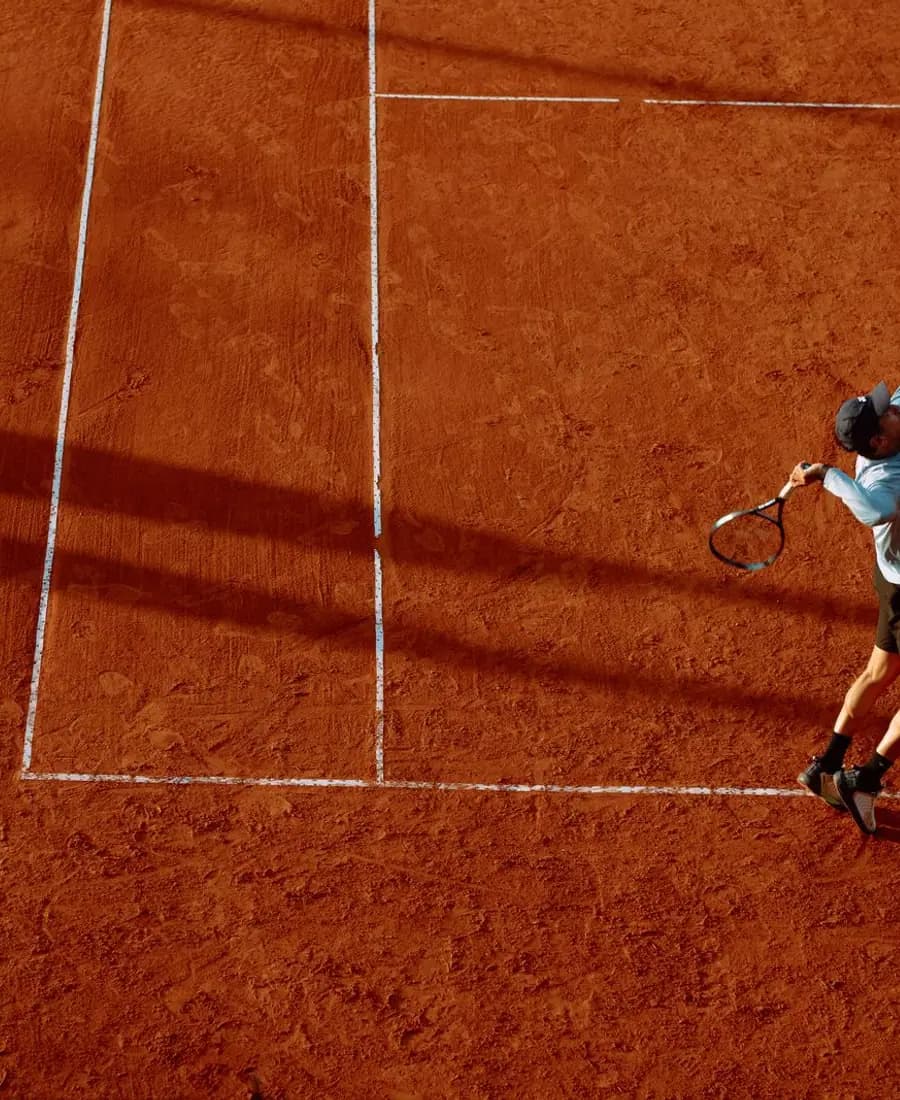
Every era of tennis is really a story about rivalries. Not individual champions, but pairs and clusters of players who drag the best out of each other for a decade. As the sport turns a generational corner, the outlines of the next great rivalries are already visible, less in the trophy count and more in the way contrasting styles are starting to collide.
Why rivalries, not champions, define eras
A lone dominant player produces records. A rivalry produces drama, and drama is what makes a sport grow. The greatest periods in tennis history are remembered as matchups because the presence of a true equal forces constant reinvention. You cannot coast when the person across the net has solved last year's version of you.
That is the lens for reading the next decade: not who wins the most, but which pairings will keep forcing each other to evolve.
The style clashes to watch
The emerging generation is defined by a set of stylistic tensions, and the best rivalries always sit on a fault line between opposites.
- The flat-hitting first-striker versus the elastic defender. One tries to end points in three shots; the other tries to make you hit a fourth, fifth, and sixth. This is the oldest and most reliable rivalry template in tennis.
- The all-court aggressor versus the counter-puncher. As more young players are coached to attack the net, the counter-punchers who can pass and lob become their natural foils.
- The power server versus the elite returner. Serving is getting bigger; returning is getting braver. Any pairing that pits a genuine 130-mph weapon against a returner willing to stand in and block is built-in theatre.
What is genuinely new
Two shifts make the coming rivalries different from the ones that preceded them.
First, the physical baseline has risen. The incoming generation grew up training the marathon fifth set as a skill, so the endurance battles that were once historic exceptions may become routine.
Second, the tactical literacy is higher. Players arrive on tour already fluent in analytics, already knowing their opponent's serve tendencies and return positions. Rivalries will increasingly be won in the preparation, not just the shotmaking.
The next great rivalry will not be decided only by who hits harder. It will be decided by who adapts faster between meetings.
How to spot a real one early
Not every pair of talented young players becomes a rivalry. The ones that stick tend to share three markers:
- Repeated meetings at the business end of big events, where the stakes force both to reveal their best.
- A genuine stylistic incompatibility, so each match is a fresh puzzle rather than a rerun.
- A near-even split of results, because a rivalry needs both players to believe, correctly, that they can win.
Keep an eye on which young matchups start ticking those boxes over the next two seasons. Trophies will follow, but the tell comes first in the pattern of the meetings. When two players keep finding each other in the second week, keep splitting the results, and keep looking uncomfortable doing it, you are watching the next decade of tennis take shape.