
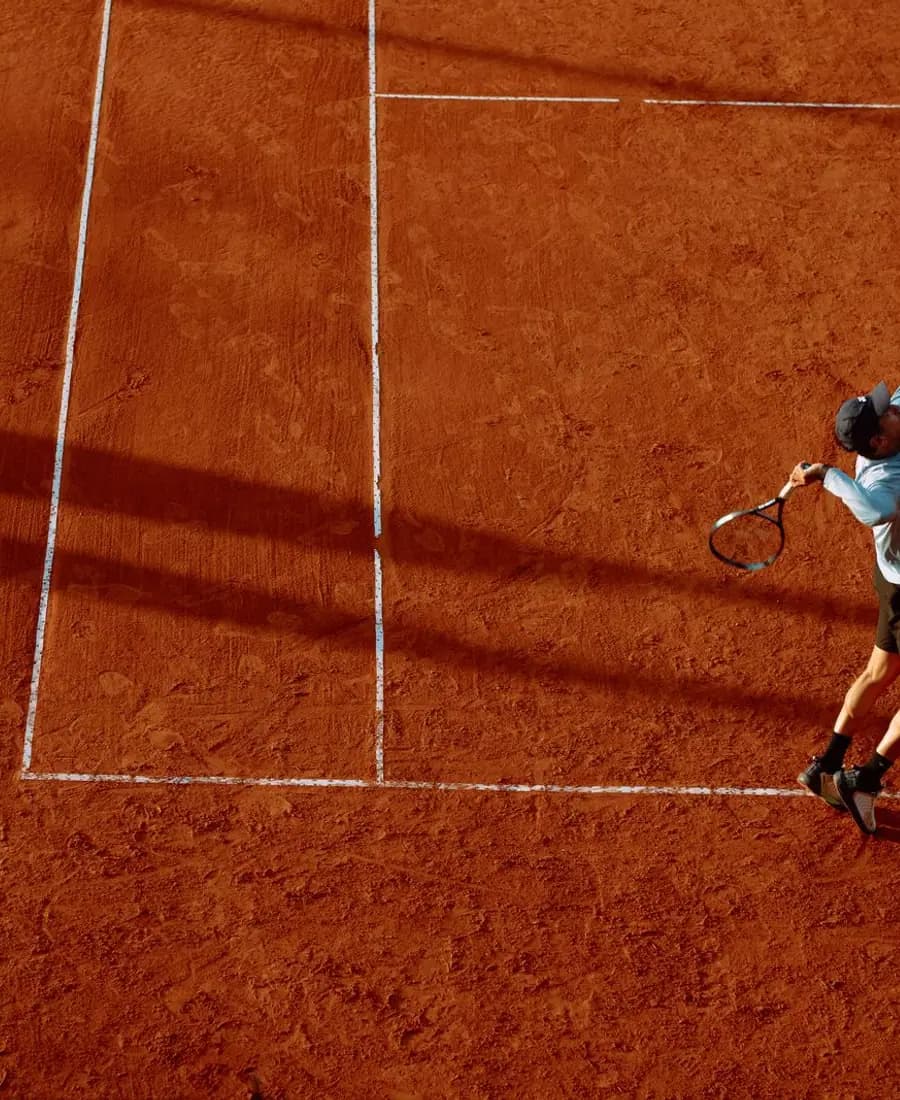
There is a comfortable piece of tennis folk wisdom that goes like this: clay is the great equalizer. Because the slow surface neutralizes the big serve and stretches out points, the theory says, it drags the elite down toward the pack and lets journeymen hang with champions. It is a nice story. It is also, on close inspection, largely a myth, and untangling why reveals what clay actually rewards.
Where the myth comes from
The belief is not baseless. Clay genuinely does neutralize certain weapons. The high, slow bounce robs the biggest servers of the free points they get on grass and hard courts. There is more time to reach the ball, so the aces and cheap winners that decide fast-court matches dry up. A player who lives entirely off a huge serve really can look ordinary on clay.
From that true observation, people leap to a false conclusion: that if the big weapons are neutralized, everyone is closer to equal. But taking away one type of advantage does not remove advantage. It just changes which advantages matter.
What clay actually rewards
Strip the serve of its dominance and the surface hands the edge to a different, and arguably rarer, set of skills.
- Endurance and physical superiority. Longer points and longer matches mean the fitter player's edge compounds. Clay does not level the physical playing field. It amplifies it.
- Point construction. When you cannot end points quickly, you must build them, maneuvering the opponent over eight or ten shots. That is a high skill, and the best constructors dominate on clay.
- Movement, specifically sliding. Clay demands a specialized way of moving that takes years to master. Far from an equalizer, this rewards a narrow expertise most players never fully acquire.
- Patience and shot tolerance. The mental discipline to hit one more heavy ball, and not go for a low-percentage winner out of boredom, separates the elite on clay more than on any other surface.
Clay does not shrink the gap between the great and the good. It just moves the gap from the serve to the legs, the lungs, and the mind.
The evidence against the equalizer theory
If clay truly leveled the field, we would expect more upsets and more first-time winners at the biggest clay events than elsewhere. The historical pattern points the other way. The premier clay tournaments have often been the most dominated, producing multi-year kings who won them again and again with a monotony that no equalizer would permit.
That is the tell. A surface that genuinely equalized would produce chaos and variety at the top. Instead, clay has repeatedly produced the sport's most lopsided dynasties. The specialists who master its specific demands do not get dragged toward the pack. They pull further away from it.
The more interesting truth
The accurate description is not that clay is an equalizer but that it is a different exam. It tests a different syllabus: not the explosive first-strike skills of fast courts, but the grinding, patient, physical, tactical skills of the long point. Players who are elite at that syllabus dominate clay just as thoroughly as big servers dominate grass.
So the next time someone says clay levels the playing field, gently push back. Clay does not make everyone equal. It changes the test, and rewards a different and rarer kind of mastery. The pretenders it exposes on fast courts are simply replaced by a new set of pretenders, the ones who cannot construct, cannot slide, and cannot outlast. On clay, as everywhere, the elite still win. They just have to be elite at something else.