
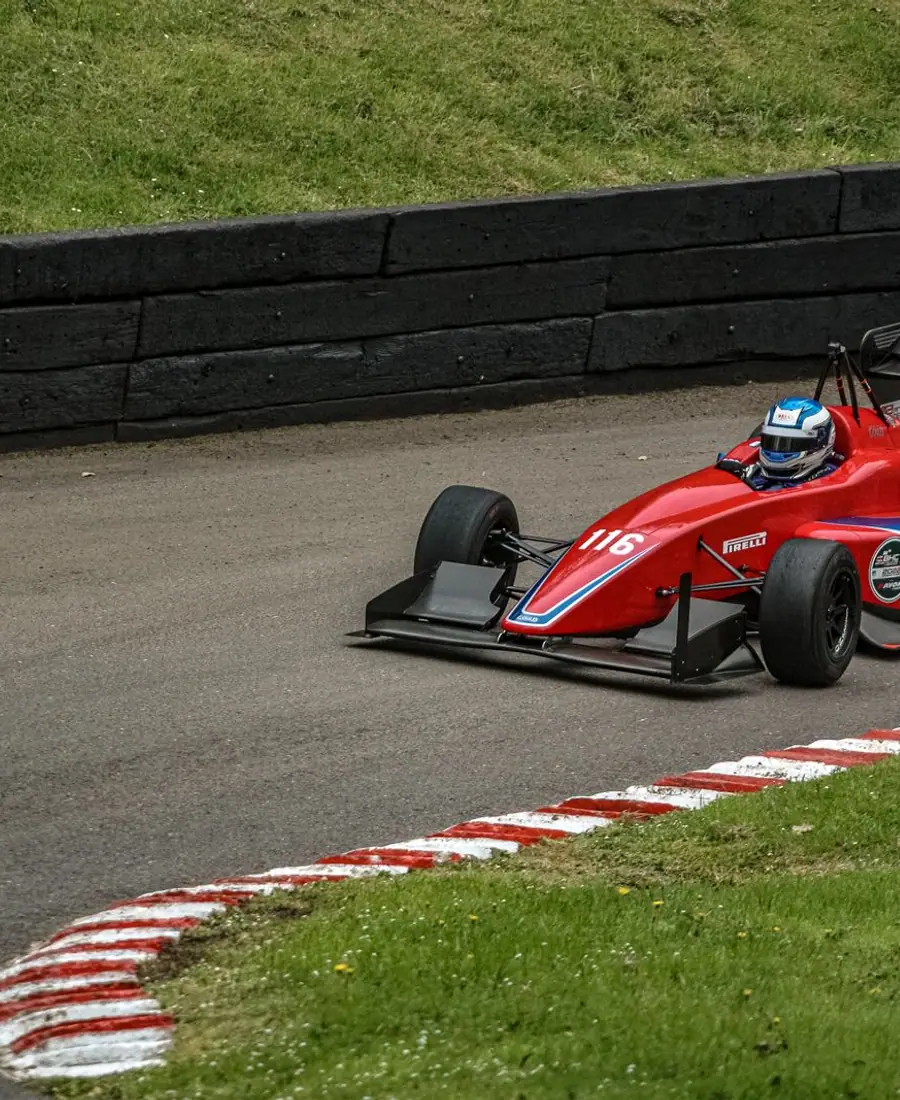
The Indianapolis 500 has produced more genuinely great finishes than any race on earth, and not by accident. A 500-mile race on a 2.5-mile oval compresses its entire drama into the final laps, when fuel is marginal, tyres are gone, and the milk is close enough to taste. Here are the kinds of finishes that best explain why the 500 owns the word greatest, and what each one teaches.
The last-lap pass
Nothing defines the 500 like a lead that changes on the final lap. It happens because the race is engineered for it: a long draw down the front straight, a slipstream that lets a trailing car close, and a run to the line where the leader is the sitting duck. The lesson these finishes teach is counterintuitive. At Indianapolis, leading the last lap is often the worst place to be, because the car behind holds the tow.
The fuel gamble that held
Some of the most gripping finishes are not wheel-to-wheel at all. They are a lone leader crawling around on fumes, lifting and coasting, praying the number holds while a fresher car reels them in a second a lap. These finishes are won in silence, in the driver's right foot, and they are as tense as any overtake because the outcome is genuinely unknown until the flag.
The rookie who did not flinch
Every so often a first-timer finds themselves in the fight at the end, and the story becomes about nerve rather than experience. The 500 is uniquely cruel to the inexperienced. The pressure of the moment has broken hardened veterans, so a rookie holding the line under that weight is one of the sport's purest displays of temperament.
The heartbreak a lap short
Not every great finish has a happy ending, and the 500's cruelest ones are the finest teachers. A driver dominant all day, running out of fuel or catching a backmarker or making one tiny error within sight of the flag, is the reason the race is so revered. It refuses to be won until it is actually won. The margin is never safe.
The Indy 500 does not hand out its trophy for being fastest. It hands it out for being fastest, smartest, and luckiest in the last ten laps, all at once.
Why they endure
What unites the great finishes is not the names but the mechanism. The 500 concentrates its jeopardy at the end by design: the aerodynamics reward the chaser, the fuel math tightens with every lap, and the sheer length of the day means the closing laps are run by exhausted drivers on ruined tyres. That is the recipe for drama, repeated for over a century.
You can watch a hundred races and never see a finish like the ones Indianapolis produces routinely. That is not luck. It is the track, the distance, and the physics conspiring to make the last lap the only one that truly counts.