
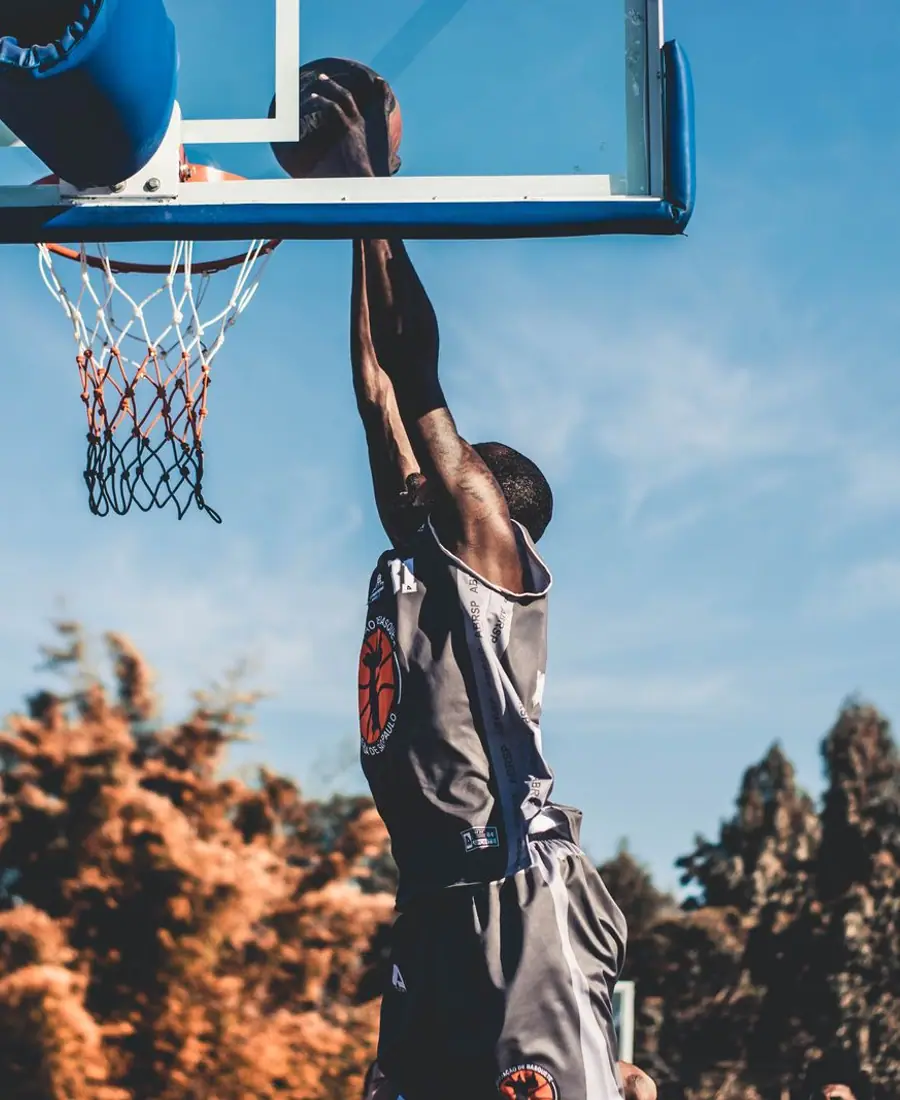
A "greatest closers" list is different from a "greatest players" list, and the difference is the whole point. Closing isn't about being the best player over 48 minutes. It's about a specific, narrower skill: generating and making a good shot when the defense knows exactly what's coming, the clock is short, and one possession decides everything. Here's how to reason about who did it best — and why.
What closing actually requires
Before any ranking, define the trait. Late-game offense collapses to a few brutal demands:
- Self-creation against a set, keyed-in defense. No transition, no easy help-side breakdowns. You have to make something from nothing.
- A counter for every coverage. Double-teamed? Find the pass. Switched onto a smaller man? Post him. Played straight up? Rise over him.
- Repeatable mechanics under fatigue and pressure. A jumper that doesn't change when the stakes do.
The greatest closers all share this: an unguardable primary move plus a reliable counter, so the defense can't take away the first thing without surrendering the second.
The archetypes of a great closer
Rather than pretend to a definitive numbered list, it's more honest — and more useful — to rank by type, because closers win in different ways:
- The pull-up maestro. The player with an unblockable mid-range jumper off the dribble. When the defense walls the rim, he simply rises into the shot they conceded. This archetype defined late-game offense for a generation, and its modern revival is why the mid-range came back.
- The downhill force. The closer who gets to the rim or the line at will, turning the game's tightest moments into the sport's most efficient shots — layups and free throws. Hard to stop without fouling, which is exactly the point.
- The gravity closer. The shooter so feared that he bends the entire defense late, creating the open shot for a teammate as often as he takes it himself. His closing shows up in the assist column as much as the scoring one.
- The complete problem. The rare closer who is all three — pull-up, drive, and pass — and therefore genuinely unsolvable, because taking away any one option just opens the others.
The best closer isn't the one with the prettiest highlight. It's the one who gives the defense no correct answer.
Why free throws belong in the conversation
Any serious closer list has to weight free-throw shooting heavily, and casual rankings almost always underrate it. Late, close games funnel to the line. A closer who drives fearlessly but bricks free throws is a liability; a closer who calmly buries them turns every foul into points. It's unglamorous, and it's decisive.
The honest caveat
As a myth-buster would remind us, clutch samples are small and noisy, so any closer ranking should carry humility. But the skills behind great closing — self-creation, counters, free-throw reliability, gravity — are real and stable, even when the highlight sample is thin. Rank the skills, not the small-sample heroics, and your list will age far better than one built on remembered buzzer-beaters alone.