
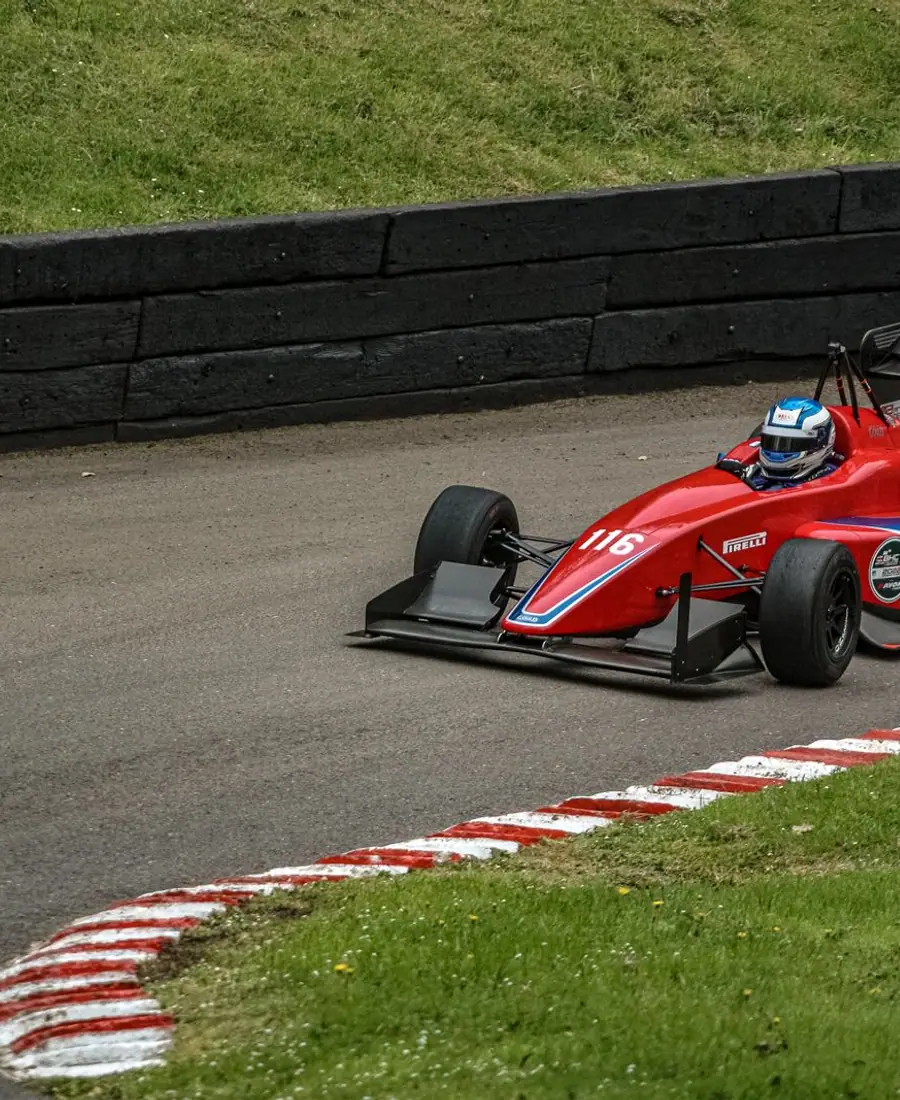
When IndyCar bolted a wraparound screen to the front of its cars, the headlines were all about safety, and rightly so. But the aeroscreen did something the safety case never advertised: it changed how the cars race.
What it actually is
The aeroscreen is a ballistic polycarbonate shield mounted on a titanium frame that arcs over the cockpit. It is designed to deflect debris and wheels away from the driver's head, closing the last great vulnerability of open-wheel racing. On that count it has been an unambiguous success, absorbing impacts that in a previous era would have been catastrophic.
The hidden weight
Here is the part that rarely makes the broadcast. The structure adds meaningful weight, and it adds it high and forward, right where a race car least wants it. That single fact rippled through everything:
- The centre of gravity rose, making the cars a fraction lazier to change direction.
- Braking distances stretched, because there is more mass to haul down.
- Cooling had to be rethought, since the screen changes airflow to the cockpit and radiators.
Engineers did not just accept these costs; they redesigned around them. But the driver felt it immediately, especially on street circuits where quick direction changes are the whole job.
The airflow nobody planned for
The screen also reshaped the air arriving at the driver and the car behind. The wake a car leaves is its aerodynamic fingerprint, and altering the front of the car altered that wake. On ovals in particular, where following closely is the entire sport, teams had to relearn how the cars behave in traffic. The screen is not a wing, but it is not invisible to the air either.
Every safety gain in motorsport is paid for somewhere in the handling. The craft is in making the driver never notice the bill.
The adaptation curve
Watch footage from the screen's first season and then a couple of years later and the difference is subtle but real. Early on, you saw more locked brakes and tentative entries as drivers recalibrated where the car would actually stop. By the second year, those references had reset. The human nervous system is a remarkable piece of adaptive engineering, and it absorbed the aeroscreen faster than most predicted.
Why it worked anyway
The reason the aeroscreen era is remembered as a success, and not a compromise, is that the racing did not get worse. Drivers adapted their braking references within a season. Engineers clawed back the balance. And the psychological effect, knowing your head is protected, arguably made drivers more willing to commit to the bold, close-quarters moves that make IndyCar worth watching.
That is the quiet lesson of the aeroscreen. A safety device that made the cars heavier and trickier should, in theory, have dulled the show. Instead, by removing a category of catastrophic risk, it freed the humans inside to race harder. Good safety engineering does not just save lives. Sometimes it improves the sport it protects.