
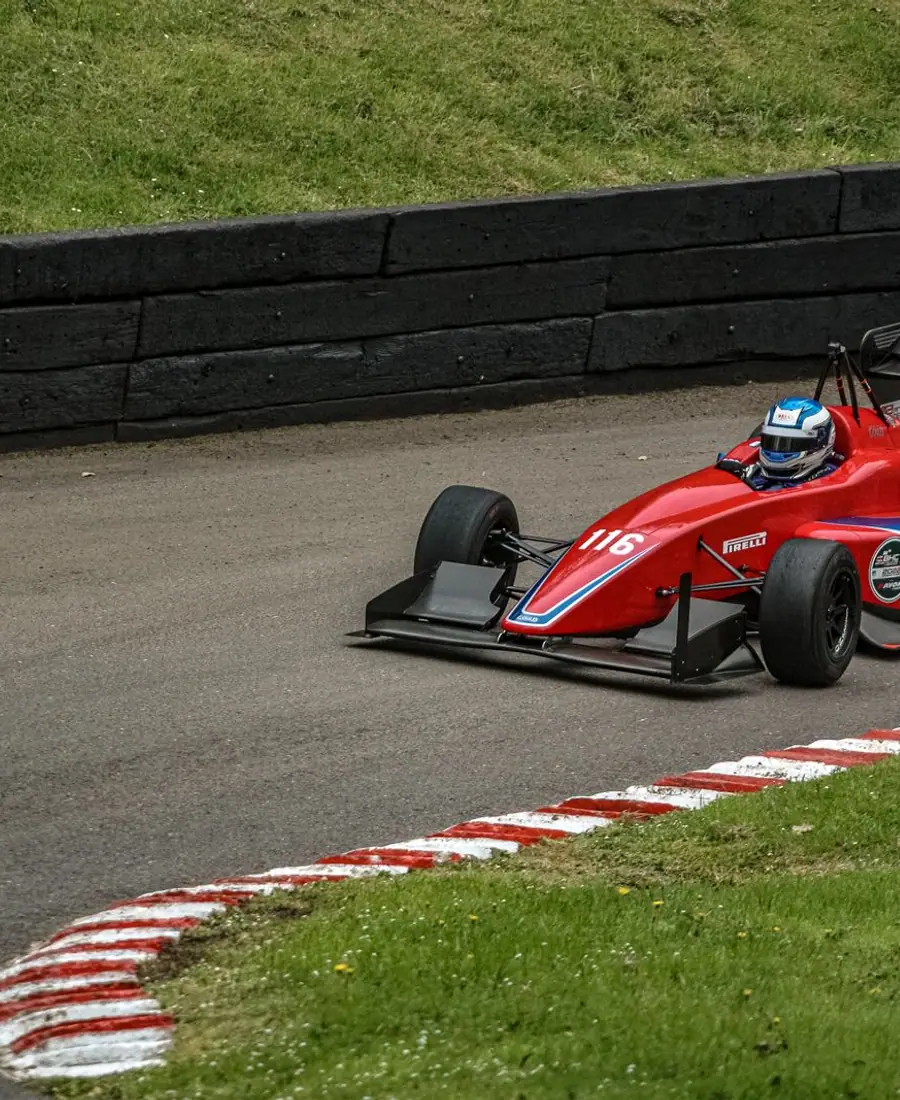
If you are arriving at IndyCar cold, the schedule can look like a jumble of city names and unfamiliar tracks. It is not. There is a rhythm to the season, and once you feel it, the whole championship snaps into focus.
The shape of the year
The season runs from early spring to early autumn, roughly a dozen and a half races packed into six months. It opens on a street circuit, builds toward its centre of gravity in May, and then sprints through a summer of ovals and road courses before a finale that usually decides the title. Unlike a stick-and-ball league, there are no divisions or byes. Every race counts the same on paper, though not all of them count the same in the mind.
Three kinds of track
The single most important thing to understand is that IndyCar races on three fundamentally different surfaces, and the same car has to win on all of them:
- Street circuits: temporary tracks stitched through city streets, bumpy, walled, and unforgiving. Qualifying position is gold because passing is hard.
- Road courses: purpose-built tracks with elevation, fast sweepers, and heavy braking zones. The most conventional racing, and often the most tactical.
- Ovals: from short bullrings to the vast 2.5-mile Speedway, where speeds soar and the racing becomes a study in aerodynamics and nerve.
A driver who dominates road courses but cannot hold an oval will not win a championship. That breadth is the whole point.
The race that towers
One event bends the entire calendar around it: the Indianapolis 500, run in late May. It is not just the biggest race of the IndyCar year; it is one of the biggest single-day sporting events on earth. The build-up swallows most of the month. For a newcomer, the 500 is the natural front door, but do not let it be your only room.
If the 500 is the cathedral, the street and road races are the parish life that keeps the season honest.
The title is a long game
Because every race pays similar points and the finale often carries extra weight, the champion is rarely the driver with the most wins. It is the one who avoids disaster. A quiet fourth place on a bad weekend can be worth more than a heroic win that ends in the wall. Consistency across all three track types is the currency of the championship, which is why the standings can look so different from the highlight reel.
Where to start
My advice for a first-timer: pick a road course early in the season and watch a full race start to finish. You will see all the levers, pit strategy, tyre choice, push-to-pass, fuel saving, without the specialised drama of an oval. Then watch the 500 to understand the sport's soul, and a short oval to feel its adrenaline. Three races, three flavours, and you will know whether IndyCar is for you. It usually is.