
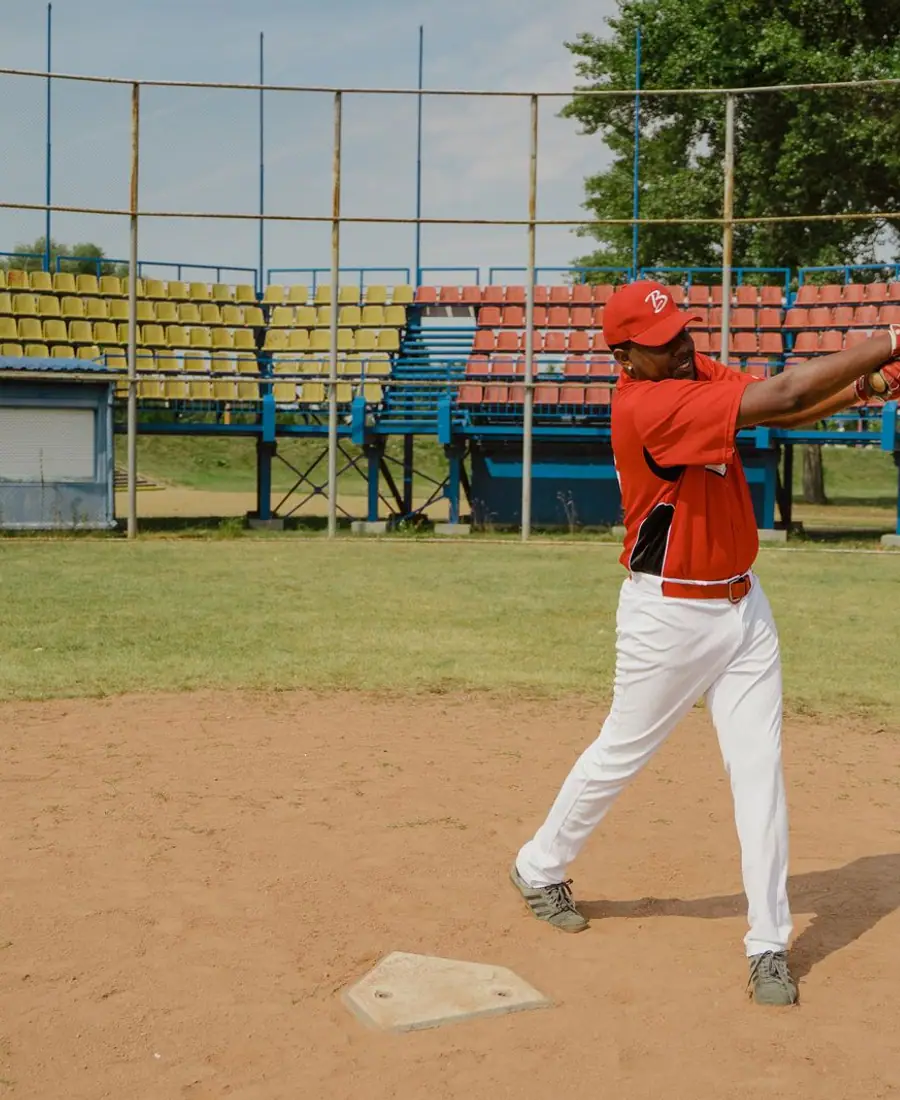
Baseball changes slowly and then all at once. For decades the game looked frozen; in the last few years the rulebook and the radar gun both moved fast. The forces reshaping the sport are already visible in the data — you just have to follow their trend lines. Here is where they point over the next decade.
The velocity spiral, and its bill coming due
The single most powerful trend in baseball is rising velocity. Average fastball speed has climbed steadily for years, breaking balls are thrown harder and with more spin, and the radar readings that once drew gasps are now routine. Pitchers throw harder because harder pitches miss more bats, and the whole development pipeline — from youth showcases to big-league labs — is optimized to add ticks.
But the bill is coming due in the form of arm injuries. Throwing a baseball at maximum effort is one of the most violent acts in sports, and the pursuit of velocity has coincided with a wave of elbow surgeries. This is the sport’s central tension for the next decade:
The same thing that makes pitchers dominant is the thing that keeps breaking them. Baseball has to decide whether to keep chasing velocity or to protect the arms throwing it.
Expect the response to include roster and usage changes — more pitchers, shorter outings, careful workload management — as teams try to have the velocity without paying the full medical price.
The pitch clock changed the product
The pitch clock is the most successful rule change in a generation, and its effects run deeper than shorter games. By forcing a quicker pace, it did not just trim dead time — it altered the rhythm of the sport. Pitchers work faster, which subtly affects command and fatigue; hitters get less time to reset between pitches; the game feels more continuous.
The near future is about refinement, not reversal. The clock is here to stay, and the next questions are about the details: how it interacts with runners on base, how it holds up in the postseason’s highest-tension moments, and whether it needs tweaks to keep the pace without warping strategy.
The automated zone is a question of when, not if
Some form of automated ball-strike calling is coming; the only real debate is how much. The two live options point to very different games:
- A full robot zone would eliminate umpire error and, with it, the entire craft of pitch framing — rewriting the value of catchers overnight.
- A challenge system, where teams can contest a limited number of calls, would preserve most of framing’s value while erasing the worst blown calls in big moments.
The challenge system is the more likely landing spot, because it fixes the egregious errors that enrage fans without erasing a century-old skill or slowing the game. Either way, the strike zone — baseball’s most fundamental boundary — is about to become more precise and less human.
The roster keeps evolving
Underneath the headline rules, the shape of the roster keeps shifting. Pitching staffs grow more fluid, with the line between starter and reliever blurring toward a pool of arms deployed by matchup. Position players trend toward versatility, prized for the ability to play several spots and let managers optimize matchups late. The three-true-outcomes style — walks, strikeouts, homers — remains a force, though the shift rules and pitch clock have nudged a little action back onto the bases.
The through-line
Every one of these trends is a negotiation between two goods the sport is trying to hold at once: the pursuit of maximum performance, and the preservation of a watchable, sustainable game. Velocity versus health. Optimization versus action. Precision versus the human element. The next ten years of baseball will be written in how it resolves those tensions — and the trend lines are already on the field, waiting to be read.