
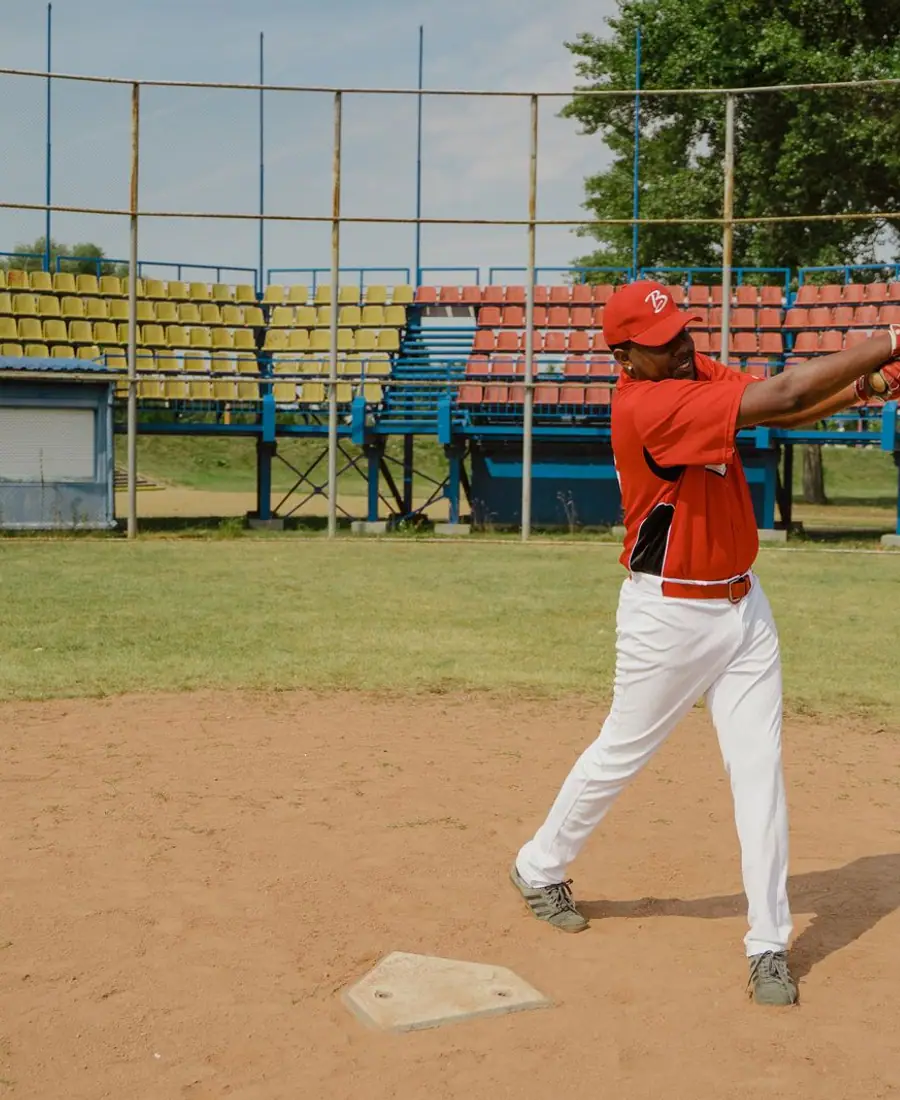
Ask a casual fan what makes a great hitter and you will hear about bat speed, power, hand-eye coordination — all the things a swing does. Ask a hitting coach and you will hear about something quieter and, at the top level, more decisive: the decision of whether to swing at all. Swing decisions are the hidden engine of great hitting, and the best hitters are, more than anything, the best at not swinging.
The pitch a hitter does not offer at
Start with a simple truth. A pitcher’s goal is to get you to swing at pitches you cannot drive — balls off the edge, breaking pitches diving out of the zone, the chase pitch just beyond the barrel. Every pitch a hitter lays off that he could not have hit hard is a small victory. Every pitch he chases is a gift to the pitcher.
This is measured as chase rate — how often a hitter swings at pitches outside the strike zone. It is one of the most telling numbers in the sport. The elite hitters are not just the ones with the prettiest swings; they are disproportionately the ones with the lowest chase rates, the hitters who force pitchers to come into the zone.
Great hitting is a negotiation. The hitter who refuses to chase forces the pitcher to throw a hittable pitch — or walk him. Either outcome is a win.
Zone control, not just “a good eye”
Swing decisions are more sophisticated than “swing at strikes, take balls.” The best hitters practice zone control — they have a plan for which part of the zone they will attack, and they lay off pitches that are technically strikes but that they cannot damage.
A hitter geared to drive the ball might sit on a specific zone — say, middle-in — and take a corner strike he could only tap weakly, betting that a better pitch is coming or that he can handle two strikes later. That is not passivity; it is selective aggression. Swing hard at pitches you can punish, and refuse the ones you cannot, even when they are strikes.
The two-strike adjustment
The craft sharpens with two strikes, where a hitter can no longer take a called strike three. The best hitters visibly change their approach:
- They widen the zone they will protect, fouling off close pitches to stay alive rather than watching a borderline strike go by.
- They shorten the swing, trading some power for contact and control to avoid the strikeout.
- They shift their goal from doing damage to simply putting a competitive ball in play or extending the at-bat.
This two-strike discipline is a skill in itself, and it is why some hitters strike out far less than their swing profile suggests. They know how to compete with two strikes instead of surrendering.
Why this is a decision, not a reflex
The astonishing part is the timeframe. A pitch travels from hand to plate in less than half a second, and the hitter has to decide to swing before he has seen the full flight of the ball. The decision is made on early information — release point, spin, the pitch’s initial trajectory — and then committed to almost irrevocably.
That is why swing decisions are a trainable craft rather than pure instinct. The best hitters have essentially better prediction: from the first fraction of a pitch, they read what it is and where it is going, and they have drilled the discipline to abort the swing on the ones they cannot handle. It looks like a good eye. It is really a fast, trained, high-stakes judgment repeated a hundred times a game.
The takeaway
Watch a great at-bat with this lens and it transforms. The takes matter as much as the swings. A hitter spitting on a two-strike breaking ball an inch off the plate has just won a small, invisible battle — forcing the pitcher back into the zone, extending the at-bat, tilting the odds. The loudest thing a hitter does is swing the bat. The most important thing he does is decide not to.