
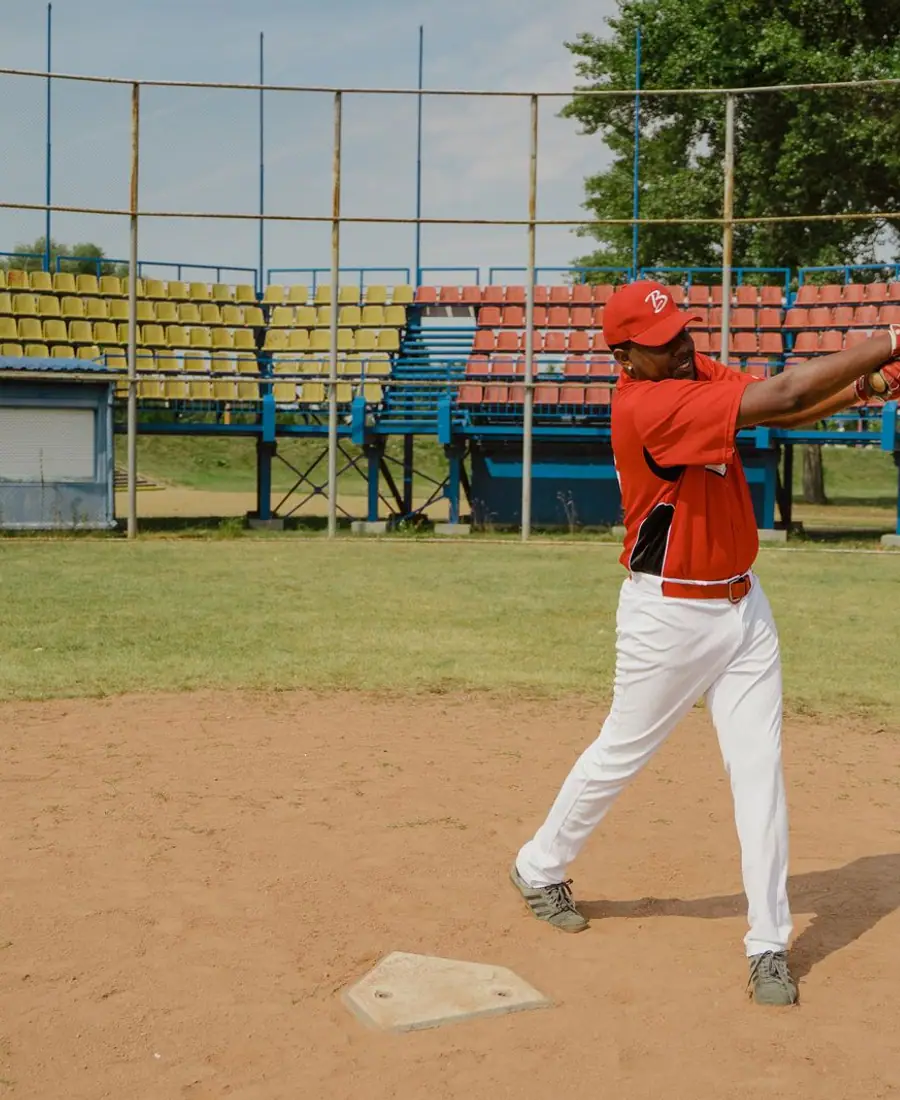
There is a reason managers burn a good hitter to send up a mediocre one in the seventh inning, and it is not stubbornness. It is the platoon advantage — the edge a batter gets facing a pitcher of the opposite hand, and the edge a pitcher gets facing a batter of the same hand. It is the oldest matchup in the sport, and it still quietly decides more games than any single swing.
Why the same-side matchup is so hard on hitters
Start with the breaking ball. A right-handed pitcher’s slider sweeps away from a right-handed hitter, moving toward the edge of the zone the hitter can least cover and finishing where he cannot drive it. Against a lefty, that same slider breaks in toward the barrel — easier to see, easier to square.
The visual angle matters too. A same-side hitter picks up the ball later because it appears to come from behind his front shoulder, released across his body. The opposite-side hitter gets a cleaner look almost from the moment of release. Add those together and you get platoon splits that are remarkably stable across the sport: hitters as a group perform meaningfully better against opposite-handed pitching, year after year.
The numbers are real, but noisy for individuals
Here is the trap. The league-wide platoon split is one of the most reliable signals in baseball. An individual player’s split, measured over one season, is one of the least reliable — because a single year of same-side plate appearances is a small sample full of noise.
Trust the platoon effect. Distrust any one player’s platoon split until you have years of data.
This is why analysts regress individual splits heavily toward the league average. A hitter who “can’t hit lefties” based on 90 plate appearances may simply have had a bad run. The population effect is a law; the individual reading is a rumor until proven.
How rosters are built around it
The platoon advantage explains roster shapes that otherwise look strange. The classic strong-side platoon pairs a lefty-hitting corner outfielder who mashes righties with a righty-hitting partner who handles lefties. Neither is a full-time player; together they are close to an above-average one, at a fraction of the salary.
Switch-hitters are the elegant solution — always batting from the favorable side, they neutralize the whole game. That is why a switch-hitter with even average power carries a hidden premium: he never gives the pitcher the platoon edge.
The three-batter rule changed the endgame
For decades, the late innings were a chess match of one-batter specialists — the lefty reliever summoned to face one dangerous left-handed bat, then removed. The three-batter minimum ended that. A reliever must now face at least three hitters (or finish the half-inning), which means a manager can no longer hide a pitcher from the wrong-handed matchup.
The ripple effects are real:
- Relievers who can get out both sides are worth more; pure specialists are worth less.
- Managers now sequence their bullpen an inning ahead, anticipating which hitters are due.
- The pinch-hit counter-move has more teeth: bring in the platoon bat, and the reliever is stuck with him.
What to watch for
Next time a manager makes a move in the sixth, check the on-deck circle and the bullpen door at the same time. The decision is almost never about the batter at the plate — it is about the two or three hitters behind him and which arm can survive all of them. The platoon advantage is not a relic. It is the grammar of late-game strategy, and the rule changes only made it more interesting.