
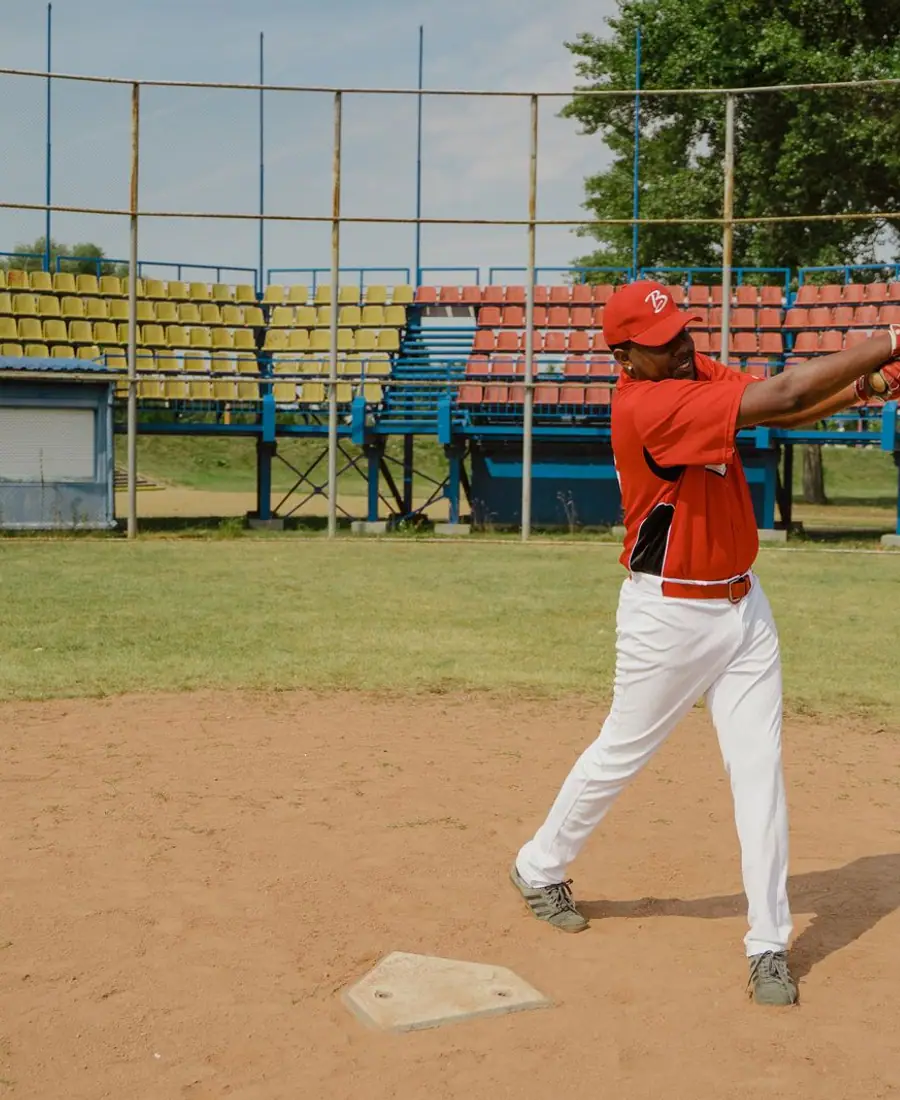
For most of baseball history, the leadoff hitter was a type: small, fast, a bunter and a slap-hitter whose job was to get on any way he could and then run. The prototype was speed first and everything else second. That player has quietly gone extinct at the top of good lineups, replaced by something that would have baffled an old-school manager — often one of the team’s very best all-around hitters. Here is why the role got a rebuild.
The job description, rewritten
Start with what the leadoff spot actually is: the lineup position that gets the most plate appearances over a season, and the one guaranteed to lead off at least one inning — the first — with the bases empty. Those two facts should drive everything, and for decades they were half-ignored.
The old model prioritized speed and “table-setting,” but it tolerated low on-base percentages in exchange for stolen bases. That was the flaw. If your leadoff hitter makes an out 68 percent of the time, all his speed is wasted, because he is not on base to use it. The single most important thing a leadoff hitter can do is not make outs — and the old prototype was often mediocre at exactly that.
A leadoff hitter’s first job is to reach base. A fast player who does not get on is just a fast out.
Why on-base skill won
The analytics reframing was blunt: give your most plate appearances to a hitter who avoids outs and can do damage, not to a slap hitter chosen for his legs. On-base percentage became the first filter for the spot, and once you filter for on-base skill, you often land on a genuinely excellent hitter — someone who walks, controls the strike zone, and hits for real power.
Hence the modern sight that would have stunned earlier generations: legitimate power hitters, even MVP-caliber bats, leading off. If your best hitter also gets on base at an elite clip, why bury him lower in the order where he gets fewer turns? Lead him off, let him rack up the most plate appearances, and let him do damage with the bases empty as often as with runners on.
The skills the modern job demands
The rebuilt role rewards a specific profile:
- Plate discipline. The best leadoff hitters draw walks and refuse to expand the zone, turning at-bats into base-runners even without a hit.
- On-base ability across the board — hits and walks together, the raw skill of not making outs.
- Extra-base power. A leadoff double or homer is a run-scoring event by itself, not just a table-setter.
- Situational base-running, not raw speed for its own sake — knowing when the run-expectancy math favors a steal, not just being fast.
Speed is still nice; it just stopped being the entry requirement. It is a bonus on top of hitting skill, not a substitute for it.
What we lost, and what we gained
Something charming did fade with the old prototype — the pure burner who could bunt for a hit, stretch a single into a double, and turn a walk into a run through sheer disruption. That style had real value and a real thrill to it, and the modern game has less of it.
But what replaced it is simply more productive. Loading the top of the order with the best hitters, sorted partly by on-base skill, scores more runs than the old speed-first model. The leadoff spot stopped being a role for a specialist and became prime real estate for a star.
The takeaway
Next time you look at a good lineup, notice who bats first. It is probably not the fastest player on the roster — it is one of the best hitters, chosen because he gets on base, does damage, and earns the most trips to the plate. The leadoff hitter did not disappear. He got promoted.