
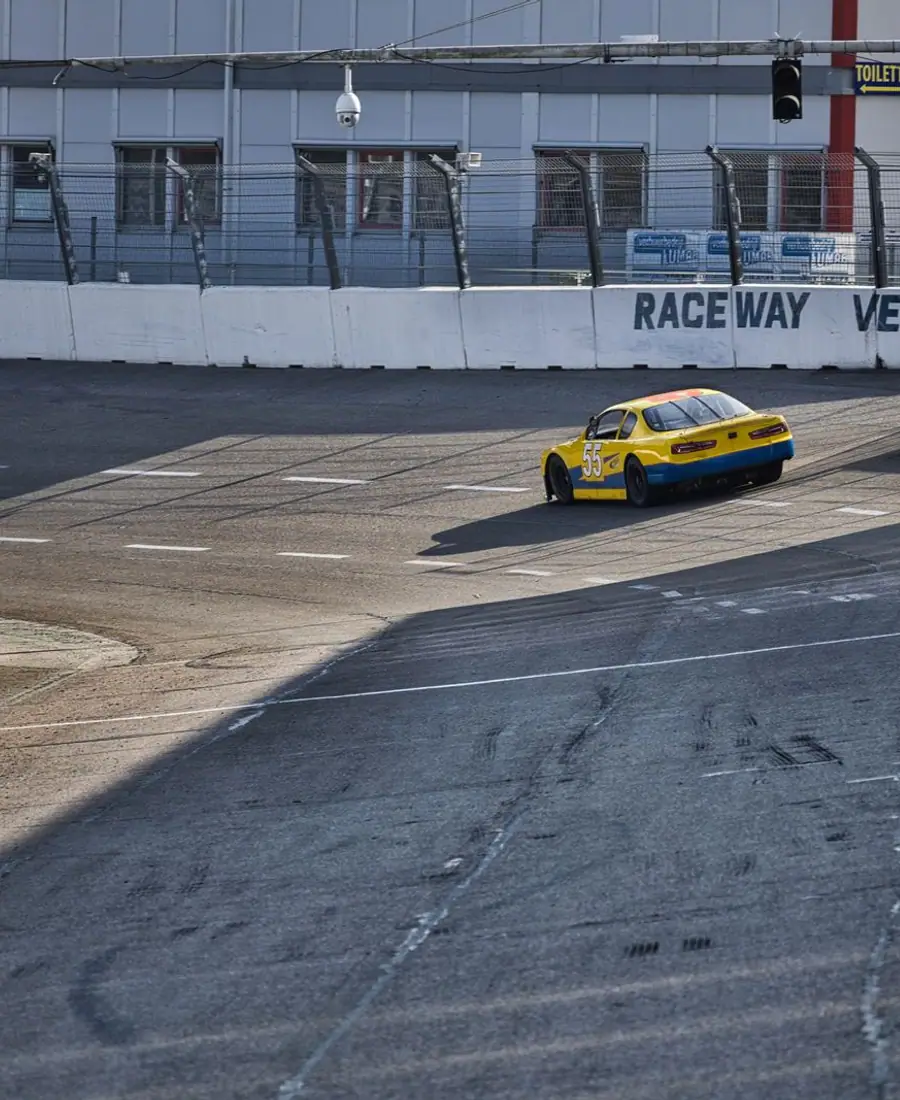
If you are new to NASCAR, one thing probably confused you immediately: the race seems to end twice before it actually ends. Checkered flags wave, points get awarded, and the race just keeps going. Welcome to stage racing. Once it clicks, it makes the whole broadcast easier to follow.
The basic structure
Every points race is divided into three parts called stages. The first two end with a green-and-white checkered flag and a brief caution period, and then racing resumes. The third stage ends the race the normal way. Think of it as three mini-races stacked into one, each with its own reward.
The lengths are set in advance, so you always know which lap a stage ends on. That predictability matters, because teams plan their entire strategy around those break points.
Why the stages exist
Stage racing was introduced to solve a real problem: long stretches of a race where nothing was at stake and drivers rode around conserving equipment. By putting points on the line at two mid-race checkpoints, the format gives drivers a reason to race hard early, not just in the final laps.
Before stages, the first two-thirds of a race were often a warmup. Now every stage ending is its own sprint to the line for points.
What you actually win
Here is the part that trips up newcomers. Two different kinds of points are on the table.
- Stage points. At the end of stages one and two, the top ten drivers score points, ten for the stage winner on down to one for tenth. These add to your season total and help you climb the standings.
- Playoff points. The stage winner also earns a playoff point. These are more valuable because they carry over into the playoffs and stick with you through the elimination rounds. Race wins earn them too.
So when a driver races hard for a stage he clearly cannot win overall, he is chasing points that matter for the long season and the postseason, not just pride.
The strategy wrinkle
The caution at each stage break creates a decision. Teams can pit during the break or stay out. Staying out might grab stage points but leaves you on older tires. Pitting sacrifices the stage points for fresh tires and track position later. Watching how different teams handle that choice tells you a lot about their goals for the day, and their season.
A team fighting to make the playoffs will usually grab every stage point it can. A team already comfortable will often skip the stage points and set up for the win. Neither is wrong. They are just playing different games.
How to watch it
Once you know the system, here is how to follow along:
- Know the stage-end laps. They are shown on the broadcast, so you know when the mini-sprints are coming.
- Watch the top ten at the break. Those are the drivers banking points, and the fight for tenth on the last lap of a stage is often surprisingly intense.
- Track the pit decisions. Who stays out for points, who pits for position, that split shapes the next stage.
Stage racing rewards drivers for racing hard all day, gives casual viewers three natural climaxes instead of one, and layers season-long strategy onto every event. Once the double-checkered stops surprising you, it becomes one of the most rewarding things to follow in the sport.