
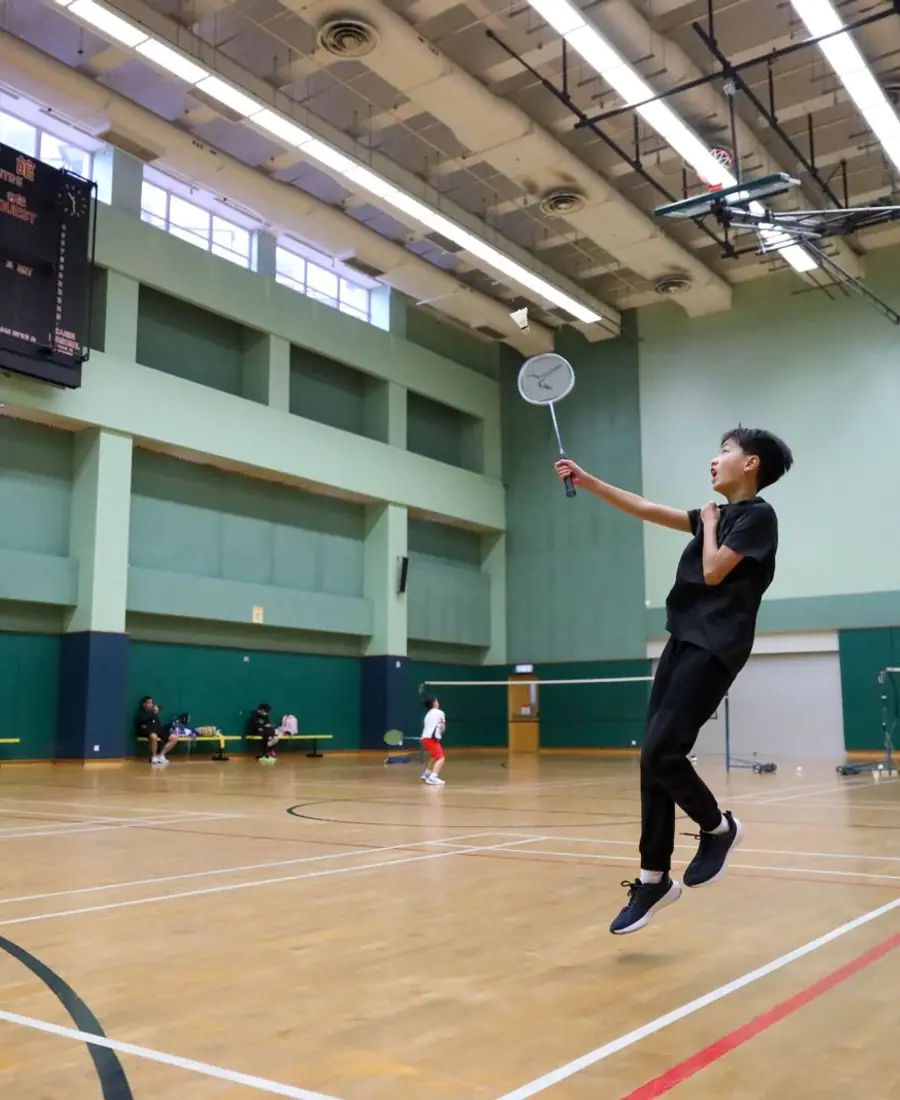
There's a myth that defense is passive — that you're just surviving until the attacker misses. Watch any elite rally and you'll see the opposite. The defender is working, probing, and setting a trap. The smash isn't the end of the point; it's an invitation to counter.
Defense Has a Job Beyond Survival
When you're under the smash, you have three broad replies, and each is a decision about how you want the rally to continue.
- The block kills the pace and drops the shuttle tight to the net, forcing the attacker to travel forward and hit up — flipping the rally.
- The drive takes the smash and fires it back flat, converting the attacker's power into your own and challenging them to react before they've recovered.
- The lift buys time and resets, but concedes the attack again — a survival shot, not a winning one.
The worst defenders only lift. The best ones use the block and drive to end the opponent's attack and start their own.
Why the Block Is a Trap
A good block does something sneaky. The attacker has just committed their full body into a smash. Their weight is forward and down, their recovery incomplete. A tight block asks them to reverse all that momentum and lunge to a dying shuttle at the net.
If they can only scrape it up, you're now at the net looking down at a floated reply — and the roles have completely reversed. The smasher is defending. That's the transition. You didn't out-hit them; you moved them.
The block doesn't win the point. It wins the position. The position wins the point.
The Drive: Answering Power With Time
Where the block uses softness, the drive uses speed. Against a flatter, faster smash, absorbing and redirecting flat keeps the shuttle low so the attacker can't hit down again. Now it's a duel of reactions at hip height, and whoever blinks first lifts — and loses the attack.
The technical key is a compact swing. You have no time to wind up. It's a short, punchy action from a racquet already held up and in front, driven by forearm rotation, not a full arm swing. Defenders who take a big backswing on the drive are always a fraction late.
Reading Before Reacting
The transition starts before the smash even lands. Elite defenders take a low, wide, loaded stance — split-stepping as the attacker contacts the shuttle so they're springing, not standing. They watch the attacker's racquet face to read direction, and they deliberately show one reply while preparing another.
Crucially, they defend with intent. Every block is aimed at a specific spot to force a specific weak reply they've already planned to punish. Random defense just prolongs the rally. Purposeful defense shortens it — in your favour.
A Simple Drill
Have a partner smash repeatedly while you alternate block, drive, block, drive on command. Then progress to a live pattern: you block, they lift the net shot back, you attack. The goal is to feel the moment the rally flips and to be moving forward the instant it does.
Defense isn't the part of the rally where you wait to lose. Done well, it's where you set up the win.