
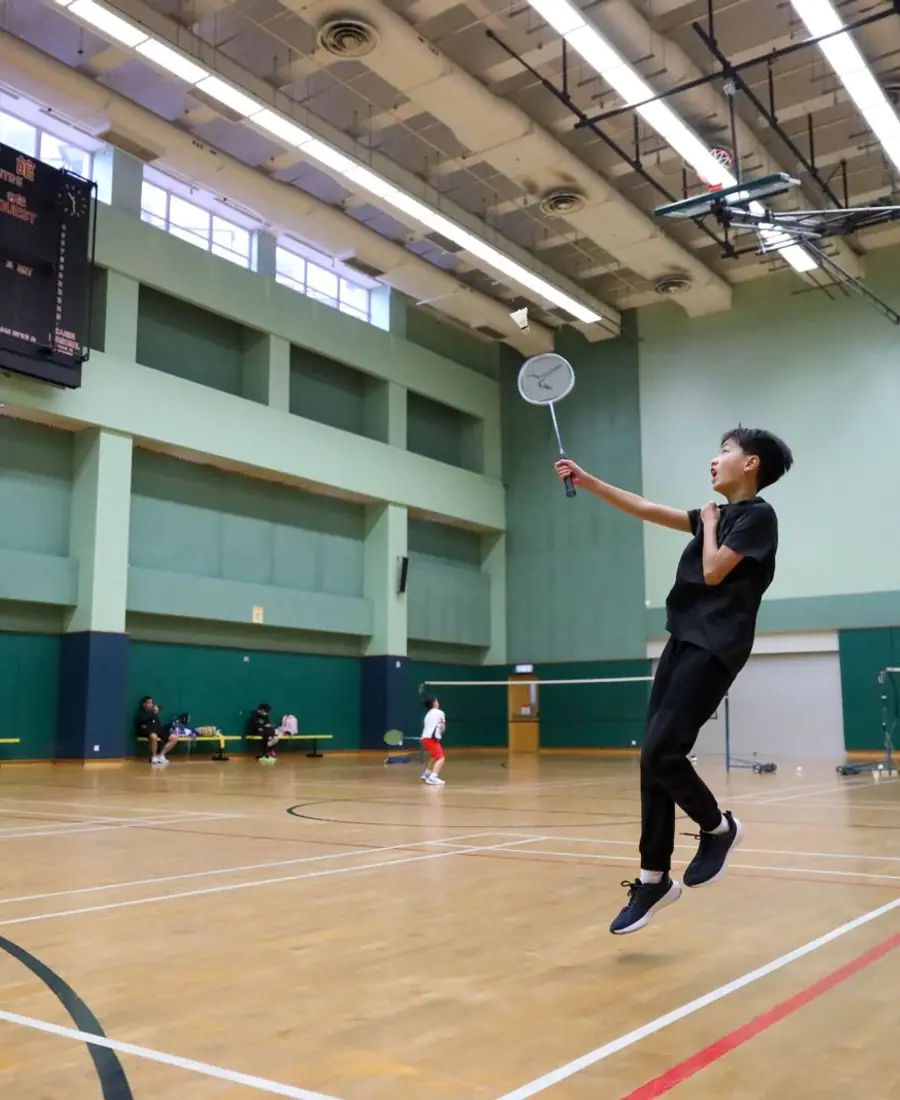
Sports evolve, but badminton has changed faster than most. The pace, the athleticism, and the tactical texture of the modern game would look almost alien to a player from a few generations ago. Read the current trends carefully and you can see the direction the sport is travelling — and it's travelling fast.
The Game Is Getting Faster and Flatter
The clearest trend is tempo. Modern badminton, especially in doubles, is being played flatter and quicker than ever. The high, looping exchanges of earlier eras are giving way to fast, flat drives and rapid mid-court battles where points are decided in a blur of reactions.
Several forces push in this direction at once:
- Athletes are fitter and faster, so they can sustain higher-intensity rallies
- Equipment is lighter and more precise, rewarding fast, flat hitting
- Tactically, denying opponents time has proven more effective than out-lasting them
The result is a game that prizes hand speed, quick reactions, and flat trajectories over the patient, lofted construction that once dominated. The premium is increasingly on the player who can take time away.
The through-line of modern badminton is simple: whoever removes the opponent's reaction time wins. Everything about how the game is evolving serves that goal.
The Athletic Bar Keeps Rising
Alongside speed, the sheer physical standard is climbing. Badminton has fully professionalised the way its athletes train — strength and conditioning, sports science, recovery, and nutrition are now central rather than afterthoughts. The players at the top are extraordinary athletes first and shot-makers second.
This raises the floor as much as the ceiling. The endurance and explosive power now required just to compete at the elite level would have been exceptional a generation ago. As the physical bar rises, technique and tactics have to keep pace, because raw fitness alone no longer separates anyone at the top — everyone has it.
The Map Is Broadening
Another trend worth watching is geographic. Badminton's competitive depth is spreading. While certain nations have long dominated, the pool of countries producing genuine contenders has been widening, and depth of competition across more regions makes for less predictable draws and richer rivalries.
A broader base is good for the sport's long-term health. More competitive nations means more storylines, more crossover appeal, and a bigger global audience — which in turn feeds investment back into the game. The sport is slowly becoming less concentrated and more genuinely worldwide.
Technology at the Edges
Finally, technology is quietly reshaping how the game is played, judged, and watched. Review systems for line calls have become standard at the top level, adding fairness and drama in equal measure. Data and video analysis let players and coaches dissect opponents' patterns in fine detail, making preparation more scientific. And broadcast innovation is making the sport more legible and gripping for new fans.
Expect this to deepen. The more the sport can measure — shot speeds, movement patterns, rally structures — the more the analytical layer will influence how players train and how tactics evolve.
Where It All Points
Stack these trends together and a picture emerges: a faster, flatter, more athletic, more global, more data-informed sport. The romance of the patient, lofted rally isn't disappearing entirely, but the momentum is with speed, power, and precision.
For players coming up, the message is clear — build the engine, sharpen the hands, learn to take time away from opponents, and use every tool available to understand the game. The badminton of the next decade will belong to those who are fastest, fittest, and smartest, in roughly that order. It's an exciting, slightly ruthless direction. And it's already here.