
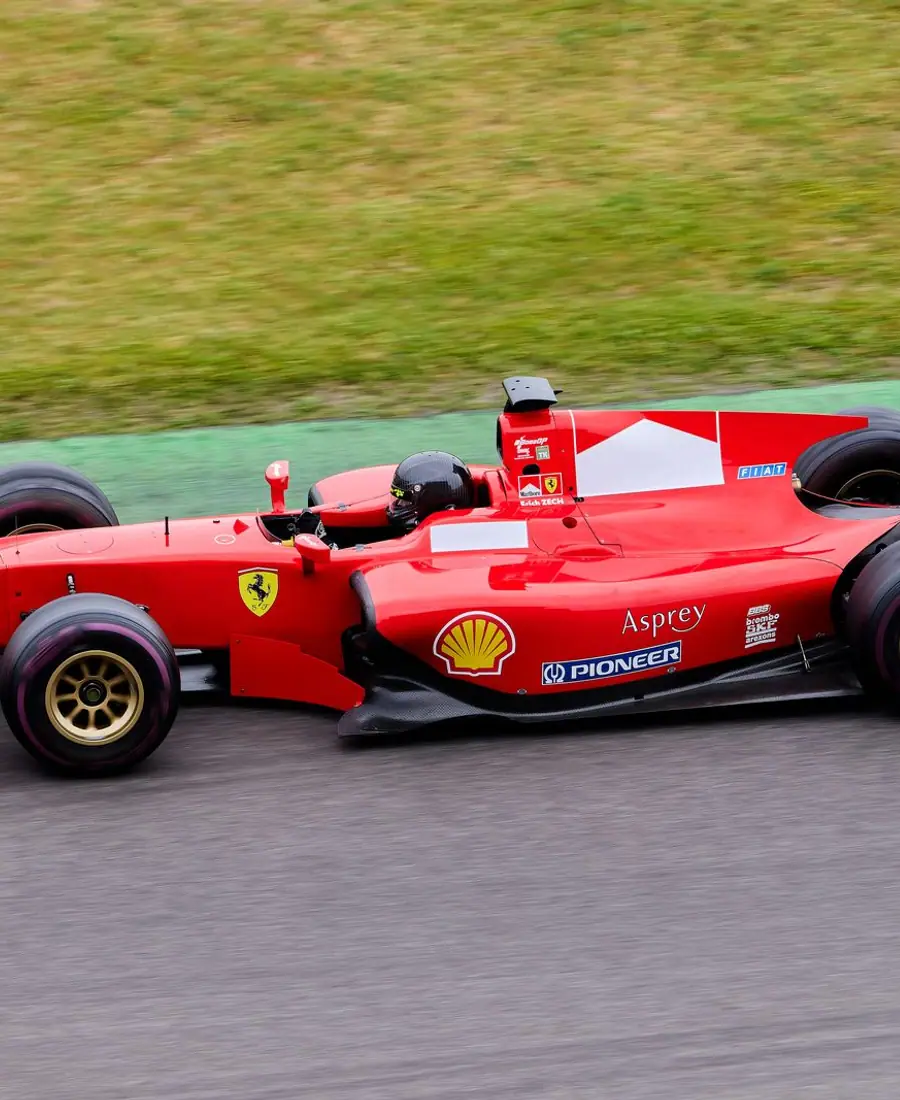
Formula 1 can look like a wall of jargon from the outside — stints, deltas, Q3, parc fermé. Strip that away and a Grand Prix weekend has a clear, logical shape. Once you understand what each session is for, the whole thing suddenly reads like a story with a beginning, a middle and an end.
Friday: learning the track
Friday is for homework. There are two practice sessions, and nobody wins anything on a Friday. What teams are really doing is gathering data: how the tyres behave, how much fuel eats into lap time, whether the car is quick over one lap or kind to its rubber over many.
Watch for two distinct kinds of running. Early on, cars do short bursts on low fuel to check outright pace. Later, they simulate the race — long runs on a single set of tyres to see how quickly performance falls away. That second part, the race simulation, tells you more about Sunday than the headline times ever will.
Saturday: the fight for grid position
Saturday is qualifying, and this is where the weekend gets sharp. Qualifying is split into three knockout segments:
- Q1 eliminates the slowest five cars.
- Q2 removes the next five.
- Q3 decides the top ten and, crucially, pole position — first place on the starting grid.
Qualifying is a pure test of one-lap speed. No fuel-saving, no tyre management, just the driver and the car emptied out and thrown at the limit. Grid position matters enormously because clean air at the front is worth real lap time, and overtaking is hard.
Sunday: the race
Sunday is the payoff. The race is a balancing act between speed and survival. Cars must complete a set distance, and the tyres will not last the whole way, so every team must stop at least once to change them. When to stop, and which tyres to fit, is the strategic heart of the sport.
A race is won as much on the pit wall as on the track. The fastest car does not always win — the best-timed one often does.
Drivers manage tyre wear, fuel and brake temperatures while looking for chances to overtake. A movable rear wing called DRS helps the chasing car close up on long straights, which is why you will see cars suddenly reel each other in.
Points and the bigger picture
The top ten finishers score points, with the winner taking the largest share. Those points feed two championships that run all season: one for drivers and one for teams, called constructors. A single race is a self-contained drama, but every result is also a move in a much longer campaign.
Start by following one team or driver. Once you are tracking their weekend from Friday's quiet data-gathering to Sunday's final laps, the jargon stops being noise and starts telling you exactly what is at stake.