
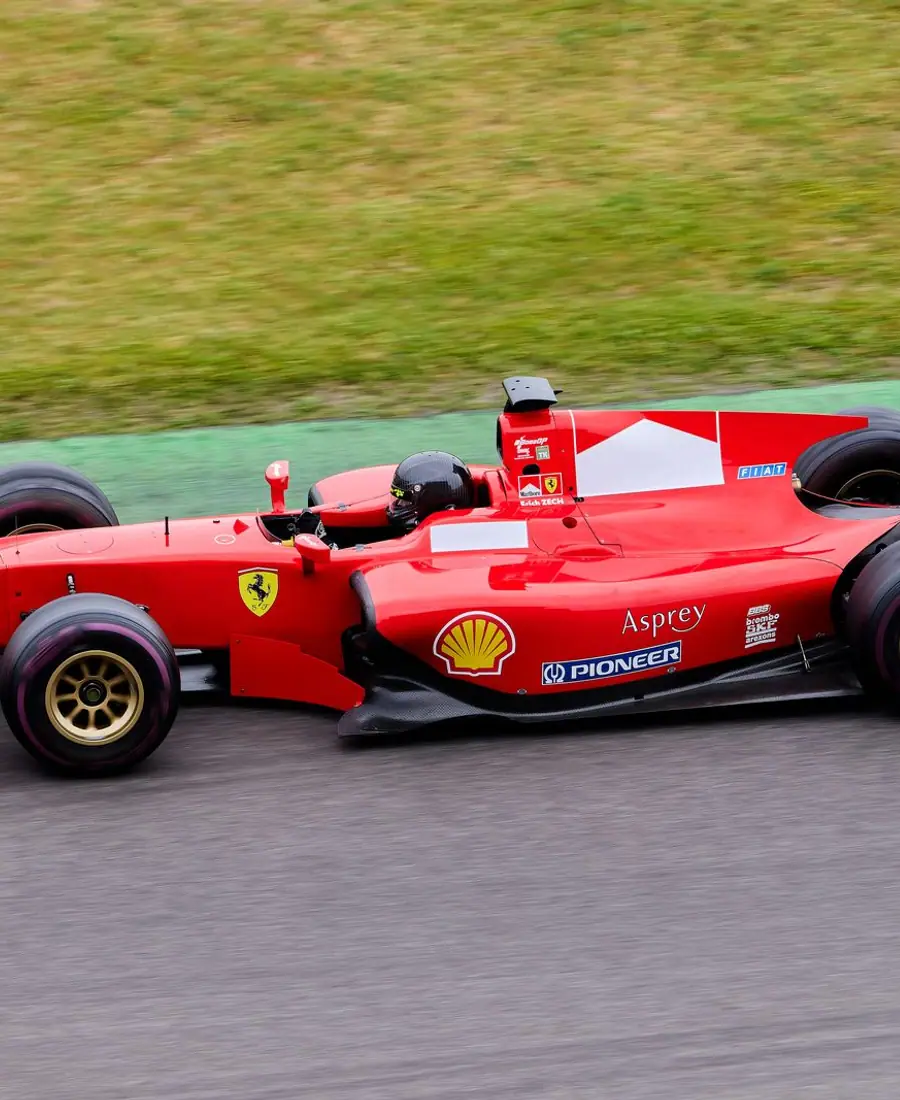
Few things in Formula 1 split opinion like the Drag Reduction System. To some fans it is an artificial gimmick that hands out overtakes; to others it is the only reason we see any overtaking at all. Both camps are partly right, and both miss why DRS exists in the first place.
The problem DRS was built to solve
Modern F1 cars generate enormous downforce — the aerodynamic grip that lets them corner at speeds that would fling a road car off the road. That downforce comes from carefully shaped surfaces that manage the airflow over and under the car.
Here is the catch. When one car follows another closely, it runs in the leading car's wake, a churning region of disturbed, low-energy air known as dirty air. The following car's wings and floor cannot do their job properly in that mess, so it loses downforce, slides in the corners, overheats its tyres, and drops back. The closer you get, the worse it becomes — a self-defeating spiral that made genuine wheel-to-wheel racing rare.
What DRS actually does
DRS is a flap in the rear wing that a driver can open on designated straights, but only when running within one second of the car ahead. Opening the flap reduces drag, which raises top speed by a meaningful margin.
The idea is not to make overtaking automatic. It is to offset the disadvantage the follower already suffers from dirty air, giving them a fighting chance to draw alongside before the braking zone.
DRS does not create a pass. It hands the chasing driver a slingshot and then makes them earn the move under braking.
Why it always felt like a compromise
The awkwardness is baked in. DRS treats a symptom, not the cause. The real disease is that cars lose too much performance in traffic, and the honest fix is to design cars that follow each other cleanly.
That is exactly what the sport has been chasing with successive aerodynamic rule changes — floors and wings shaped to throw their wake upward and away, so a following car keeps more of its downforce. As cars get better at racing closely, the case for an artificial boost weakens, and the sport keeps revisiting how much movable aero it really wants.
The deeper lesson
DRS is a useful window into how F1 governs itself. Rule-makers rarely get to redesign the sport from scratch; they patch, adjust and offset within the constraints of what already exists. A movable wing was a pragmatic bolt-on to a problem rooted in physics and regulation.
Whether you love it or loathe it, DRS is best understood not as a feature but as a confession — an admission that the cars, left alone, were too good at ruining each other's air. The long game has always been to make that confession unnecessary.