
The argument the sport keeps having
Strip hockey down to its core tactical debate and you find one endless argument: structure versus speed. On one side is the trap, the disciplined defensive wall that slows the game and forces mistakes. On the other is the rush, the fast, attacking transition that tries to beat structure before it can set. Every tactical era in the sport is really just a swing of that pendulum, and understanding it explains everything else.
The rush: winning before the wall sets
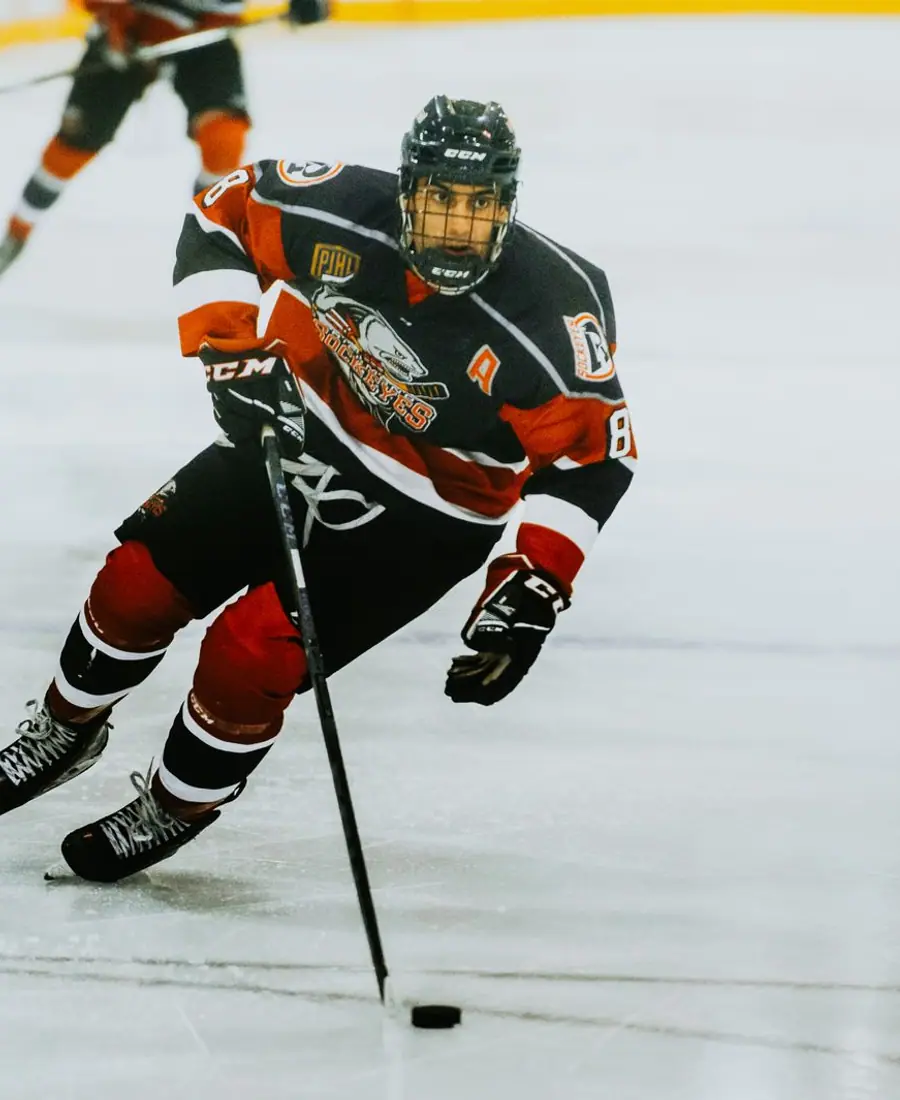
The rush is offense as a race. The idea is to move the puck up the ice quickly, before the defending team can retreat into its shape, and attack while the numbers are still even or in your favor. A rush team lives on quick breakouts, stretch passes, and defensemen who join the attack. When it works, it produces the most thrilling hockey there is: odd-man breaks, clean entries, and chances off the flow.
The catch is risk. Commit to the rush and a failed play sends the puck back the other way against a defense that is out of position. Speed cuts both ways.
The trap: making speed useless
The trap is the answer to the rush. If you cannot match a team's speed, you take away the space that speed needs. A trap team retreats into the neutral zone, clogs the lanes, and forces the puck carrier toward the boards where his speed becomes a dead end. It turns a track meet into a grind.
The trap does not try to be faster than you. It tries to make your speed irrelevant. That is why skilled teams hate playing against it.
The cost is that trapping concedes the initiative and, if the rules allow the opponent too much room, a good stretch pass can beat a stationary wall in one play.
Why the balance keeps shifting
The pendulum swings because whenever one side dominates, the sport reacts:
- When the trap smothered scoring, rule changes opened the ice and rewarded the rush
- When speed and skill surged, coaches invented smarter, faster defensive structures to slow it without illegal clutching
- Every offensive innovation invites a defensive counter, and every defensive counter invites a faster offense
It is a permanent arms race, and no side ever wins for long.
Reading the modern game through it
Today the balance sits closer to the rush than it has in decades, because the rules punish the obstruction the old trap depended on. But the tension has not disappeared, it has evolved. The modern defensive game is not a passive wall, it is an active, aggressive attempt to kill the rush at the blue line and turn defense into instant offense.
Once you see hockey as this ongoing argument between structure and speed, the tactics stop being a jumble of systems and become a story. Every coach is choosing a spot on that spectrum, every rule change is a thumb on the scale, and every great team is one that has, for a moment, found the balance point better than everyone else.