
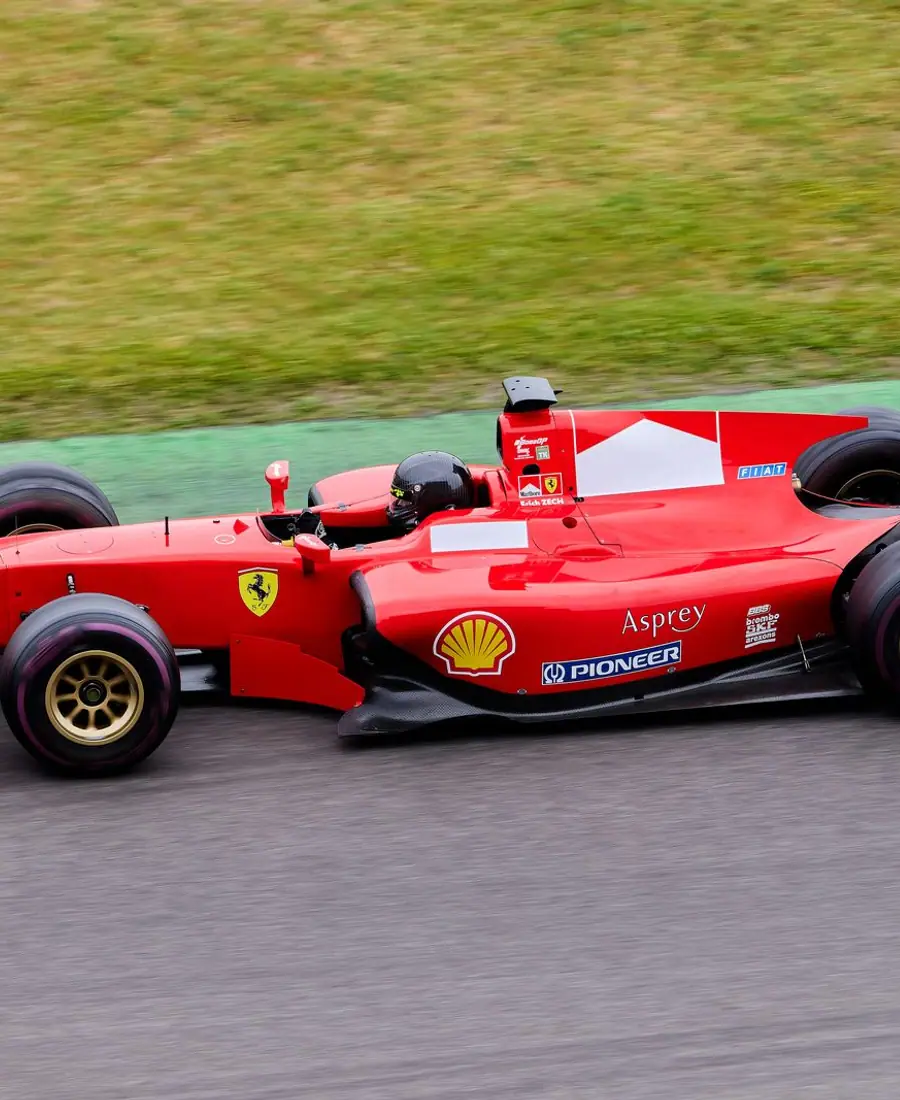
The undercut has a reputation as a cheat code. In truth it is a bet, and like all bets it only pays out when the odds are right. Understanding when those odds tip is the difference between a strategist who looks brilliant on Sunday and one who quietly hands away positions.
What the undercut actually buys you
The move is simple to state: pit before the car ahead, put on fresh rubber, and use the extra grip to bank lap time while your rival stays out on worn tyres. When they finally stop, you emerge in front.
The entire play lives inside one number — the delta between a fresh set of tyres and the aged set your rival is still nursing. On a warm afternoon with high-degradation compounds, that delta can be more than a second a lap for two or three laps. Bank two seconds and you have effectively bought a chunk of track position that would otherwise take an on-track overtake to win.
But the undercut is not free money. It needs three things to align at once: real fresh-tyre pace, a clean out-lap, and a rival who cannot simply respond on the very next lap.
The out-lap is where it is won or lost
Amateurs think the undercut is about the pit stop. Professionals know it is about the out-lap. Fresh tyres are cold tyres, and cold tyres do not give their full grip for a lap or more. Slot back out into traffic, brush a kerb the wrong way, or fail to switch the compound on quickly, and the theoretical gain evaporates before the rival has even reacted.
That is why strategists obsess over the state of the track ahead of the pit exit. A single backmarker in the wrong place can turn a decisive undercut into a wasted stop.
When the overcut is the smarter move
Stay out, and you are playing the opposite hand. The overcut works when the tyre takes time to warm, when track temperatures are low, or when degradation is so mild that a used tyre is barely slower than a new one. In those conditions the car ahead keeps lapping at a decent pace while the rival who pitted early struggles to bring cold rubber up to temperature.
The rule of thumb: high degradation and hot tarmac favour the undercut. Low degradation, cold tracks and long tyre warm-up favour the overcut.
Reading the window in real time
On the pit wall, the call is rarely made on gut feel. Strategists track a live pit-loss figure — the time it costs to drive through the pit lane and stop — and constantly compare it against the gap to cars behind. Pit into a train of traffic and you can lose more than you gain, however fresh your tyres.
The best teams also model the rival's likely response. If the car ahead can cover your stop on the next lap without losing net position, the undercut is dead on arrival, and the smarter play is patience. The window, in other words, is never fixed. It opens and closes with tyre life, track temperature and the position of every other car on the circuit — which is exactly why the same move looks like genius at one race and folly at the next.