
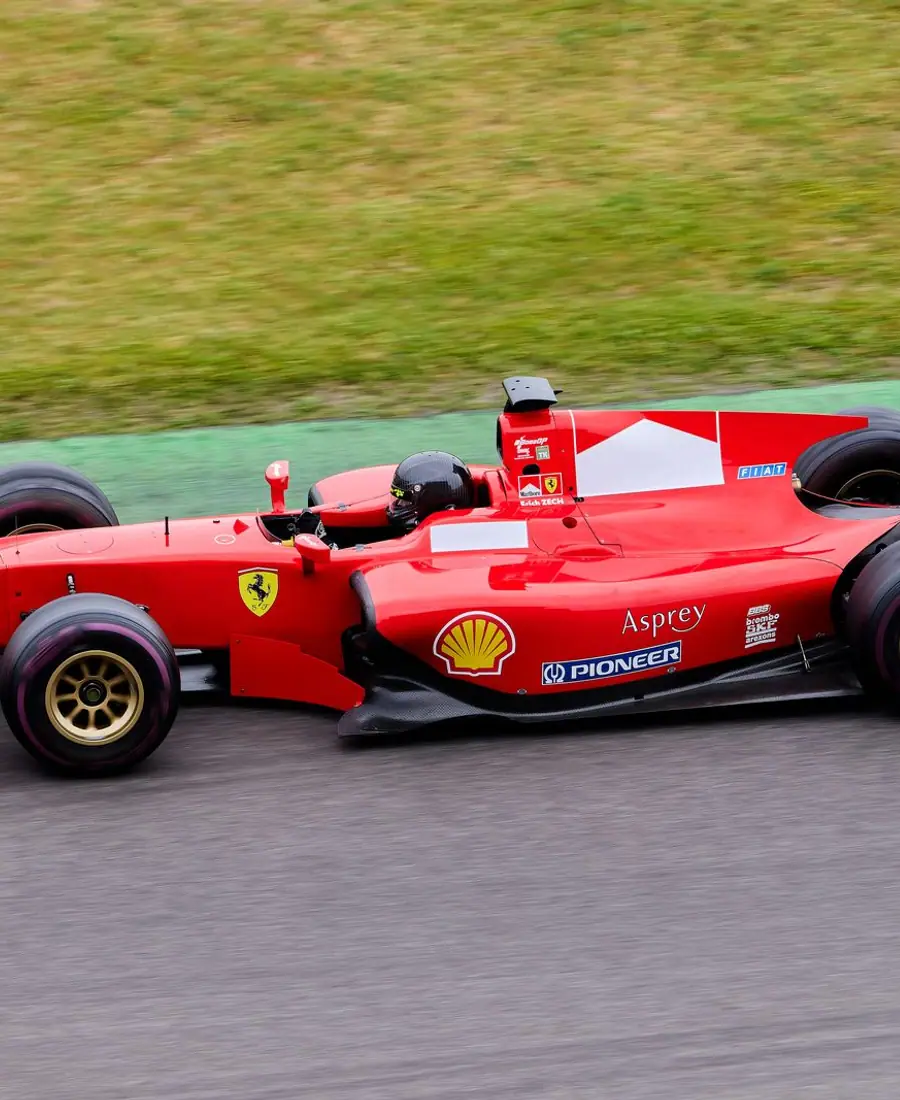
The camera loves the driver. It rarely lingers on the row of engineers on the pit wall, headsets on, screens glowing, saying almost nothing for long stretches and then, in a single sentence, changing the outcome of the race. That is the strategist, and theirs is one of the most consequential jobs in the sport.
What the job actually is
A race strategist's task is deceptively simple to describe: get the car to the finish in the best possible position. Everything underneath that is a running battle against uncertainty.
Before the race, they build a plan — likely tyre stints, pit windows, the fuel and pace targets that make it work. But the plan is a starting point, not a script. The moment the lights go out, reality begins pulling at it: a slow start, a rival pitting early, a rain cloud on the horizon, a safety car at exactly the wrong moment.
Thinking in probabilities, not certainties
The defining mental habit of a good strategist is refusing to think in single outcomes. Every decision is a distribution of possibilities.
Pit now, and you gain track position if the undercut works, but you are exposed if a safety car comes out two laps later and hands a free stop to everyone still on track. Stay out, and you keep flexibility but risk being jumped. The strategist is constantly weighing not what will happen, but what is most likely to happen across every branch — and how bad the worst case is.
A great strategy call is not one that happened to work. It is one that gave you the best chance across everything that could have happened.
The safety-car problem
Nothing tests a strategist like a safety car. When the pack slows and bunches up, the cost of a pit stop plummets, because rivals are crawling rather than racing. Teams that react a fraction faster can gain a near-free tyre change; teams that hesitate lose everything.
The cruelty is that the window is measured in seconds, and the information is incomplete. Will the safety car last long enough to justify pitting everyone? Is a rival about to dive in? The strategist must decide before the picture is clear, knowing the replay will make any wrong call look obvious in hindsight.
Managing the human in the car
The job is not purely mathematical. A strategist has to communicate a complex decision to a driver who is at maximum concentration, physically drained, and receiving the message in the middle of a corner. Say too much and you overload them; say too little and they act on instinct against the plan.
The best build trust over a season so that, in the decisive moment, a two-word instruction is enough. The driver executes; the strategist has already lived the decision a hundred times in simulation.
Why it is underrated
Strategy only becomes visible when it fails. A perfectly judged race looks effortless from the outside, as if the car simply drove to its natural result. The brilliance is invisible precisely because it removed the drama. Learn to watch the pit wall, and you start to see a whole second race — one fought in numbers, nerve and timing, by the person the camera forgets.