
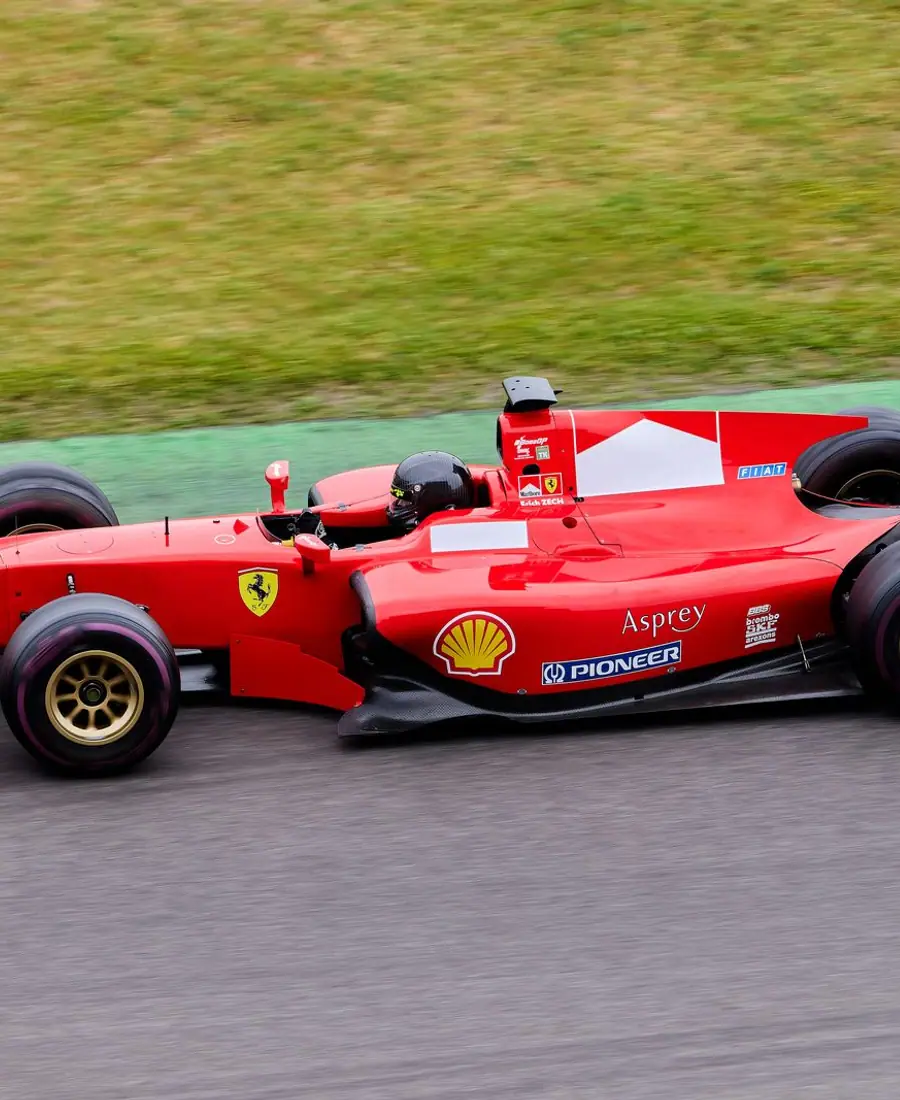
For most of its history, a Grand Prix weekend followed a fixed rhythm: practice, then qualifying, then the race. The sprint format tore up that certainty at selected events, and the reaction split the fanbase down the middle. Whatever your verdict, it helps to understand exactly what changed and why.
What a sprint weekend looks like
The core idea is to add a second, shorter competitive race — roughly a third of a Grand Prix distance — and to give it its own dedicated qualifying session. That compresses the schedule and removes most of the practice running.
A typical sprint weekend runs like this:
- One practice session instead of the usual longer build-up.
- A separate sprint qualifying to set the grid for the short race.
- The sprint race itself, awarding points to the top finishers but with no mandatory pit stop.
- Traditional qualifying to set the grid for the main Grand Prix.
- The Grand Prix, as normal, on Sunday.
The key structural point is that the sprint and the main race now have their own separate qualifying sessions, so a bad Saturday no longer wrecks your whole weekend.
Why the sport did it
The motivation was straightforward: more sessions that matter. Practice is essential for engineers but often dull for viewers, because nothing is at stake. By converting practice time into competitive running, the sport aimed to make more of the weekend meaningful.
There was also a competitive wrinkle. With almost no practice, teams have far less time to perfect their setup and understand the tyres. That uncertainty can shuffle the order and reward teams that read the conditions quickly rather than those with the biggest simulation budgets.
The sprint is not just a bonus race. It is a deliberate reduction in preparation time, designed to make the weekend less predictable.
The strategic knock-on effects
Because the sprint has no required pit stop and is short, it rewards a different approach — flat-out aggression rather than tyre husbandry. Drivers cannot nurse rubber for a third of a race the way they would over full distance, so the racing tends to be sharper and more combative.
But the format also carries risk. A collision in the sprint can damage a car before the main event, and with limited spare parts under strict cost controls, teams must weigh short-race glory against the danger of compromising Sunday. That tension — race hard now, or protect the bigger prize — is exactly the kind of dilemma the format was designed to create.
Why the debate persists
Critics argue the sprint dilutes the specialness of the Grand Prix and turns Saturday into a lower-stakes preview. Supporters counter that it front-loads the weekend with jeopardy and rewards adaptability. Both are defensible.
What is not in doubt is that the sprint reflects a broader direction of travel: a sport experimenting with its own format to keep every day of the weekend worth watching. You do not have to love it to see the logic — and understanding the logic makes it a lot easier to judge whether it works.